
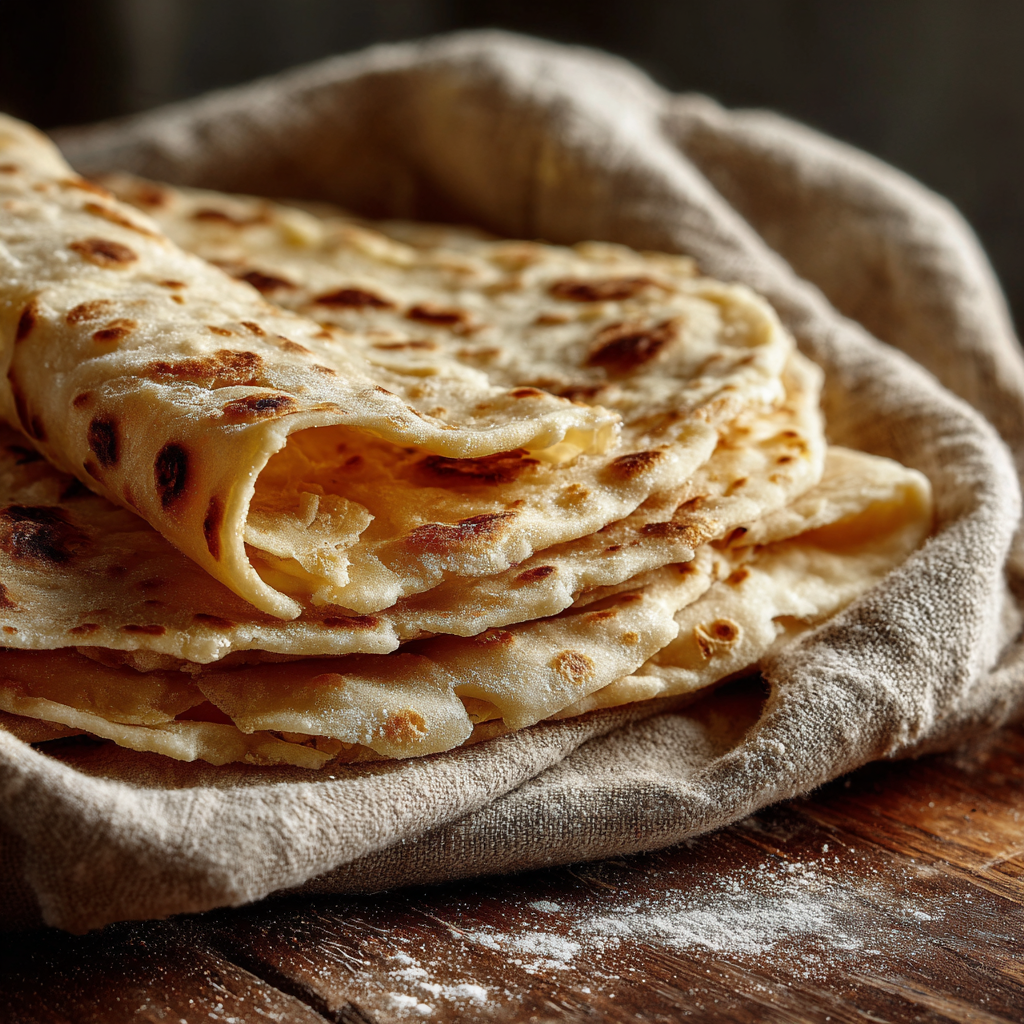
If there is a comfort food that feels like a warm hug from the kitchen, it’s the humble yet irresistible Roti flatbread. This traditional unleavened bread, made from simple whole wheat flour, transforms into a supple, slightly charred delight with just a few ingredients and some loving technique. Whether you’re a seasoned cook or a curious beginner, mastering the Roti flatbread will open doors to countless meals, from everyday curries to celebratory feasts. It’s not just bread; it’s a versatile canvas ready for your culinary creativity.

Ingredients You’ll Need
The beauty of making Roti flatbread lies in its simplicity. With just a handful of ingredients that you likely already have, each component plays a crucial role in achieving the perfect softness and flavor. Here’s what you need to get started:
- Whole wheat flour: The heart of the Roti, this flour provides the wholesome texture and nutty taste essential to authentic flatbread.
- Water: Used to bind the dough, water quantity is key for getting that soft, pliable texture without stickiness.
- Salt: Just a pinch to enhance flavor subtly, making every bite taste balanced.
- Ghee or oil (optional): For brushing the cooked roti, adding a glossy finish and a touch of richness.
How to Make Roti flatbread
Step 1: Preparing the Dough
Place the whole wheat flour and salt in a large mixing bowl. Gradually add water while mixing with your hand or a spoon until it starts to come together. Then, knead the dough on a clean surface for about 8 to 10 minutes until it is soft and smooth. The dough should be pliable but not sticky, which might require adjusting the water or flour slightly. Cover the dough with a damp cloth and let it rest for at least 20 minutes to relax the gluten and make rolling easier.
Step 2: Rolling the Flatbread
Divide the rested dough into equal-sized balls. Lightly flour your work surface and rolling pin. Take one ball at a time and roll it into a thin, round circle about 6 to 8 inches in diameter. The thinner the circle, the softer and more tender your Roti flatbread will be. Remember, practice makes perfect here, so don’t worry if your circles aren’t perfect at first!
Step 3: Cooking the Roti
Heat a cast iron skillet or a heavy-bottomed pan over medium-high heat until very hot. Place the rolled dough onto the skillet and cook until small bubbles form on the surface, about 30 seconds. Flip it over and cook the other side until golden brown spots appear. Then, flip back again and gently press the flatbread with a clean cloth or spatula to encourage it to puff up. If you’re feeling a bit adventurous, finish cooking the roti directly over an open flame for a few seconds to get the classic charred spots and that smoky flavor.
Step 4: Finishing Touches
Once cooked, remove the Roti flatbread from the pan and brush with warm ghee or oil if you like. This adds lustrous shine and a subtle buttery aroma that elevates the simple flatbread to a whole new level. Keep your cooked rotis warm by wrapping them in a clean kitchen towel until ready to serve.
How to Serve Roti flatbread
Garnishes
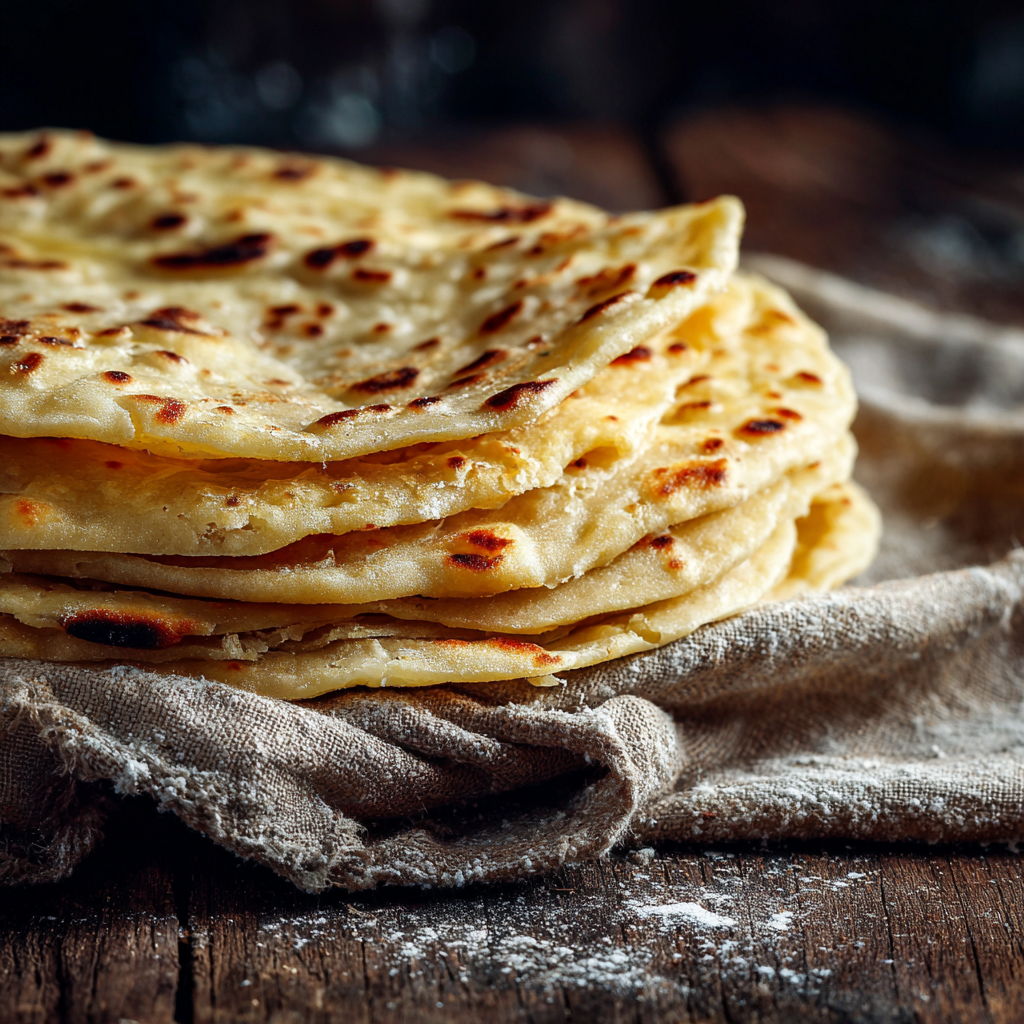
Roti flatbread is delightful on its own, but adding garnishes can enhance its appeal. Try sprinkling freshly chopped cilantro or a light smear of garlic butter right before serving. A sprinkle of flaky sea salt adds an unexpected crunch and depth of flavor. These little touches make the roti feel extra special and inviting.
Side Dishes
Traditionally, Roti flatbread pairs beautifully with a wide variety of dishes. Think creamy dal, robust curries, or even spiced vegetable sabzi. It is also a perfect vehicle for flavorful chutneys and tangy pickles. Because roti is relatively mild, it can stand up to bold spices and rich gravies alike, making it a versatile companion on your dinner plate.
Creative Ways to Present
Beyond the usual pairing, you can turn your homemade Roti flatbread into wraps filled with grilled meats or roasted vegetables for a quick, delicious meal on the go. Rolling it with a sprinkle of cheese and herbs before warming makes an irresistible snack. You can even cut roti into strips and use them as dippers for soups or hummus, adding texture and bread love to your table.
Make Ahead and Storage
Storing Leftovers
If you have extra Roti flatbread, don’t worry. Store them in an airtight container or wrap tightly with foil at room temperature for up to 2 days. When stored properly, they retain their softness and are ready to warm up when the craving hits again.
Freezing
To keep your rotis fresh for longer, place parchment paper between each flatbread and store them in a freezer-safe bag. Frozen roti flatbread can last up to a month and still taste amazing when reheated. This method is fantastic for planning ahead or batch cooking.
Reheating
To reheat, gently warm the roti on a hot skillet for a minute on each side or wrap in a damp paper towel and microwave briefly. You can also sprinkle a little water on the roti before reheating to help restore moisture and softness. Avoid overheating to keep your flatbread tender and pliable.
FAQs
Can I use all-purpose flour to make Roti flatbread?
While whole wheat flour is traditional and gives Roti its distinctive texture and flavor, you can use all-purpose flour for a softer flatbread. However, it will lack some of the nuttiness and chewiness that defines authentic roti.
Why isn’t my roti puffing up when cooking?
Puffing occurs when steam forms inside the layers of rolled dough. If your roti isn’t puffing, it might be due to dough that’s too dry, rolling that’s uneven, or insufficient heat on your pan. Ensure your dough is moist enough and your skillet is hot before cooking.
Is it necessary to cook roti over an open flame?
Not strictly necessary but cooking roti over an open flame is traditional and gives that characteristic charred flavor and appealing texture. If you don’t have a gas stove or open flame, cooking fully on the skillet still yields excellent results.
How can I make my roti softer?
Softness comes from well-kneaded dough, proper hydration, and resting time. Knead the dough thoroughly and let it rest covered; this relaxes the gluten and makes rolling easier. Brushing with ghee after cooking also adds softness.
Can Roti flatbread be made gluten-free?
Traditional roti requires wheat flour, so it contains gluten. However, there are gluten-free flatbread recipes made with alternative flours like chickpea or millet flour, but they won’t have the same texture or elasticity as wheat-based roti.
Final Thoughts
Making your own Roti flatbread is truly rewarding, from the feel of the dough in your hands to the aroma of fresh bread sizzling on the pan. It’s a humble recipe that holds a special place at any table and invites endless experimentation. I encourage you to give this recipe a try, share it with friends and family, and savor every warm, charred bite of this timeless bread.
Your email address will not be published. Required fields are marked *