
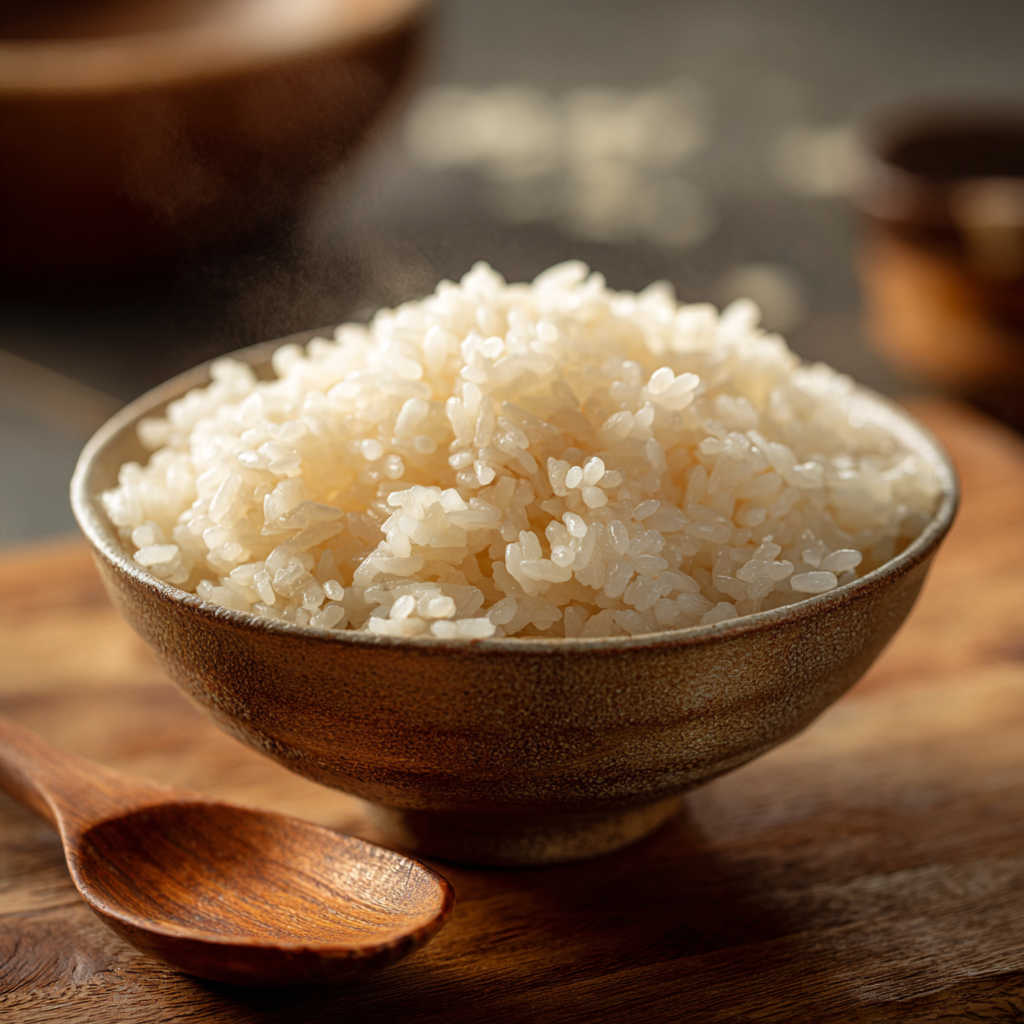
If you’ve ever wondered how to make Japanese rice (without a rice cooker), you’re in the right place! This authentic yet straightforward method will have you cooking perfectly fluffy, sticky rice just like in Japan, all on your stovetop. Whether you’re craving that comforting bowl of freshly steamed rice for breakfast, sushi, or any meal, this recipe will walk you through every step so you can enjoy that delicate texture and subtle sweetness that only well-prepared Japanese rice can deliver.

Ingredients You’ll Need
The magic of Japanese rice begins with simplicity. Each ingredient plays a distinct role in getting that perfect balance of stickiness, fluffiness, and flavor that defines this beloved staple. Let’s keep it straightforward but precise to bring out the best in your rice.
- Japanese short-grain rice: This is the star of the show—its structure gives the right sticky, tender bite essential for Japanese dishes.
- Cold water: Using cold water helps rinse and soak the rice properly and achieve the right texture upon cooking.
- Salt (optional): Just a pinch can enhance the subtle sweetness of the rice without overpowering it.
How to Make How to Make Japanese Rice (without a rice cooker)
Step 1: Rinse the Rice
Start by measuring your rice and placing it in a large bowl. Rinsing removes excess surface starch that can make the rice gummy. Gently swirl the grains with your hand and drain the cloudy water. Repeat this process 3 to 4 times until the water runs almost clear. This ensures you’ll achieve that signature glossy, separate grain texture.
Step 2: Soak the Rice
After rinsing, soak the rice in fresh cold water for at least 30 minutes. This allows the grains to absorb moisture evenly, which is crucial for even cooking and the perfect chewy softness Japanese rice is known for. If you’re short on time, a 20-minute soak still works but try not to skip it completely.
Step 3: Drain and Add Water for Cooking
Drain the soaked rice thoroughly. Place it in a pot with a heavy lid and add fresh cold water using a 1:1.1 rice-to-water ratio—this is slightly less water than you might be used to for other rice varieties. The precise water amount is key to getting that soft but not mushy texture.
Step 4: Cook the Rice on the Stovetop
Bring the pot to a boil over medium-high heat without the lid, watching closely so it doesn’t boil over. Once it boils, reduce the heat to low, cover the pot with the lid, and let it simmer gently for 12 to 15 minutes. Avoid opening the lid during this time to keep the steam locked in for perfect cooking.
Step 5: Let the Rice Steam
After simmering, turn off the heat and keep the lid on, letting the rice steam in the pot for another 10 minutes. This final steaming step allows the grains to settle and become fluffy with that characteristic stickiness.
Step 6: Fluff and Serve
Use a wooden paddle or spatula to gently fluff the rice, turning it and exposing it to air to prevent clumping. Now your perfectly cooked Japanese rice is ready to enjoy!
How to Serve How to Make Japanese Rice (without a rice cooker)
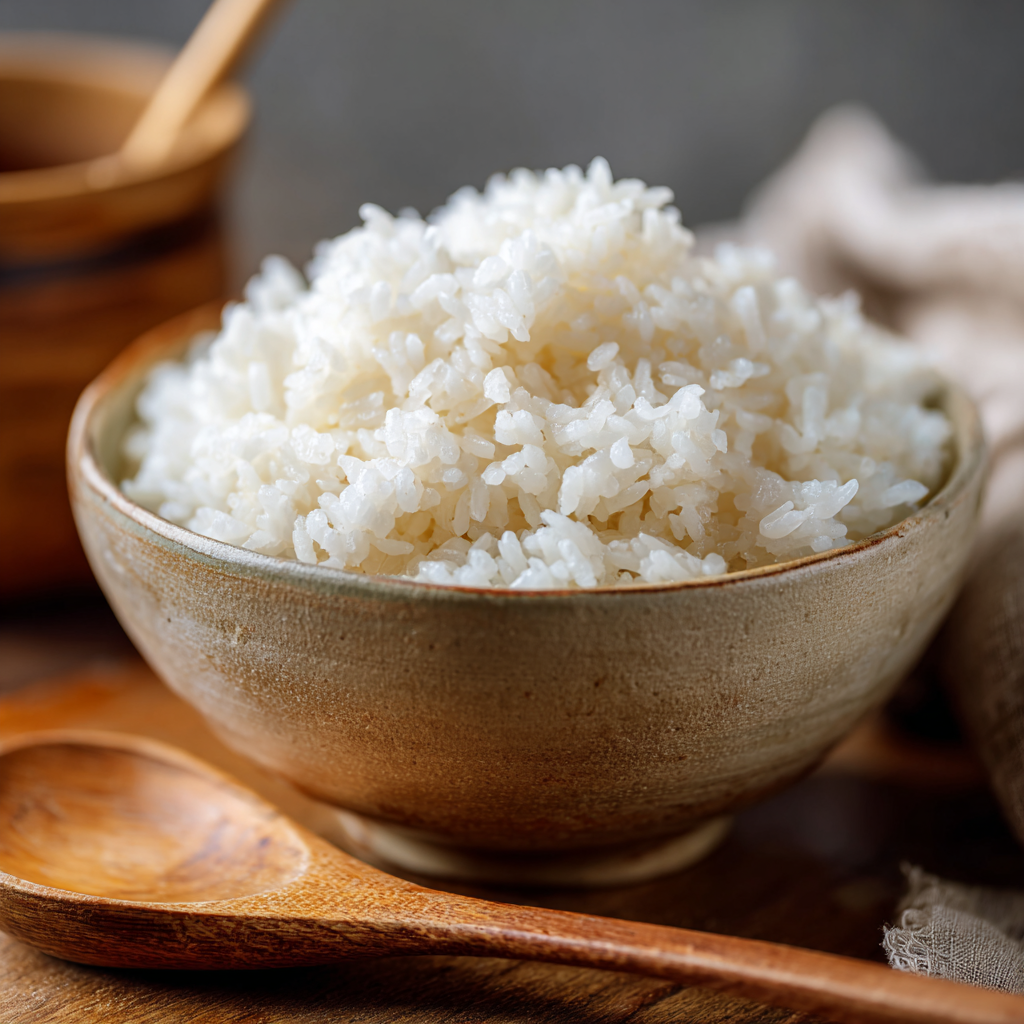
Garnishes
A simple garnish of toasted sesame seeds or a sprinkle of furikake seasoning really elevates the humble bowl of rice, adding a burst of flavor and texture that will delight your taste buds. Chopped fresh herbs like shiso or a tiny drizzle of soy sauce also work beautifully for a subtle yet enticing finish.
Side Dishes
Japanese rice is incredibly versatile and pairs wonderfully with classic side dishes such as miso soup, grilled fish, pickled vegetables, or tamagoyaki (Japanese rolled omelette). It’s the perfect companion to any protein or vegetable-focused meal, acting as the comforting foundation that balances the flavors.
Creative Ways to Present
Beyond bowls, try molding the rice into neat onigiri (rice balls) wrapped in nori for a portable snack or lunch. You can also use the rice to make sushi rolls or layer it in a donburi bowl topped with your favorite ingredients for a stylish meal that’s sure to impress.
Make Ahead and Storage
Storing Leftovers
If you have leftover rice, cool it quickly and store it in an airtight container in the refrigerator. It’s best consumed within 1 to 2 days to maintain texture and freshness.
Freezing
For longer storage, portion the cooled rice into freezer-safe bags or containers. Frozen Japanese rice keeps well for up to one month. When you’re ready to eat, thaw it overnight in the fridge before reheating.
Reheating
The key to delicious reheated rice is moisture. Sprinkle a teaspoon of water over the cold rice before microwaving or steaming. This rehydrates the grains, bringing back that fluffy softness rather than dryness or hardness.
FAQs
Can I use regular long-grain rice instead of Japanese short-grain rice?
While you can use long-grain rice, it won’t achieve the same sticky, tender texture typical of Japanese rice. Short-grain rice is recommended to replicate that authentic experience.
Why is soaking the rice important?
Soaking allows the grains to absorb water evenly, which ensures even cooking and helps the rice achieve its characteristic chewy yet soft texture.
What if I don’t have a heavy pot with a tight lid?
A heavy pot helps maintain even heat and steam. If you don’t have one, use the heaviest pot possible and cover with foil under the lid to trap steam more effectively.
Is it okay to open the lid while cooking?
It’s best not to open the lid during cooking or steaming. Opening it releases steam and can interfere with the texture developing properly.
How do I prevent the rice from sticking to the pot?
Rinsing well, using the correct water ratio, and cooking on a low simmer helps prevent sticking. Also, avoid stirring while it cooks to maintain the grain structure.
Final Thoughts
There you have it — a loving, foolproof guide on how to make Japanese rice (without a rice cooker) that will bring a little piece of Japan right into your kitchen. This method takes a little patience, but the reward is rice that’s just right every time. So, grab your pot, follow these steps, and get ready to enjoy a simple yet deeply satisfying bowl of Japanese rice anytime you want!
Your email address will not be published. Required fields are marked *