
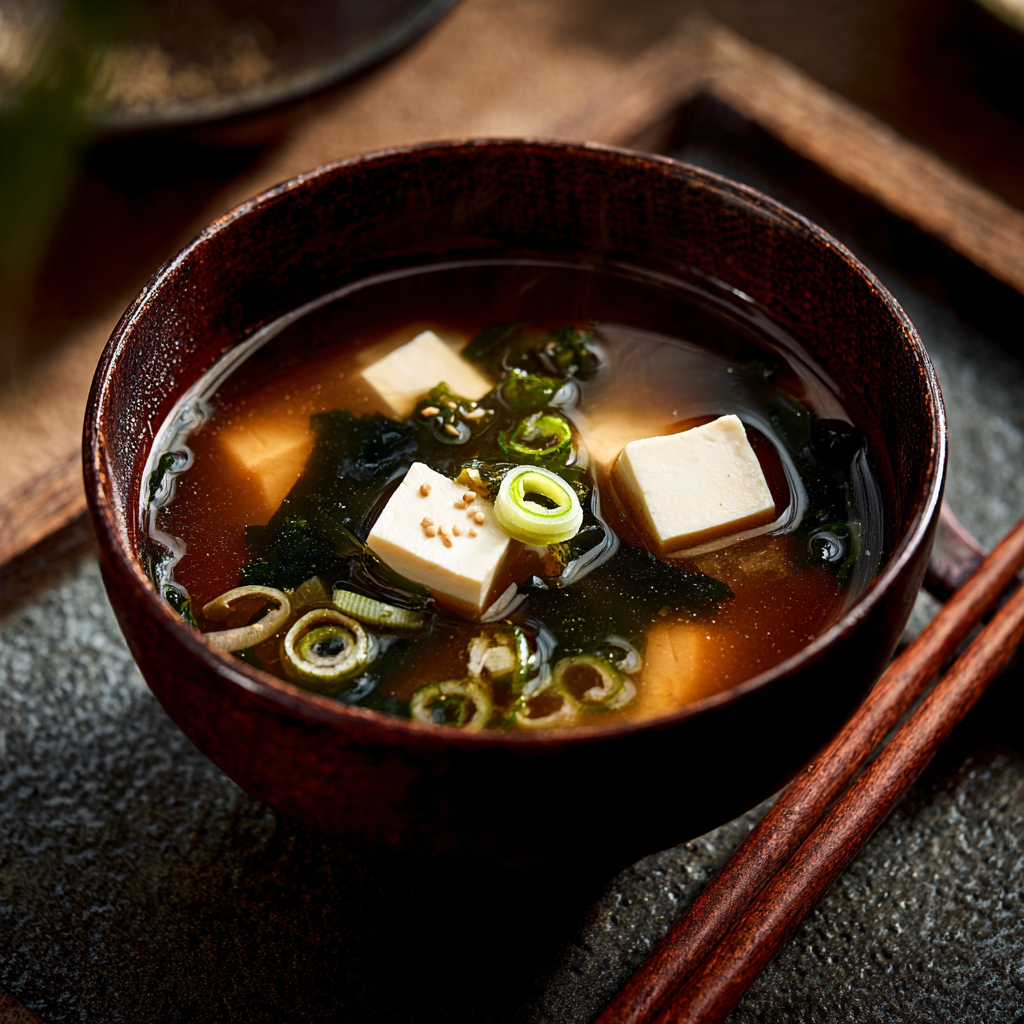
If you’re craving a warm, soothing bowl that instantly transports you to the heart of Japan, Authentic Japanese Miso Soup is exactly what you need. This humble yet flavorful soup combines the deep umami notes of miso paste with delicate dashi broth and fresh, simple ingredients, creating a perfect harmony of taste and tradition. Whether it’s a comforting start to your morning or a gentle companion to your dinner, this beloved dish offers both nourishment and a delightful culinary experience that feels like a warm hug from Japan itself.

Ingredients You’ll Need
Making Authentic Japanese Miso Soup is surprisingly simple, but each ingredient plays an essential role—bringing depth, texture, or that signature golden color to your bowl. Here’s what you’ll need to craft this timeless dish that’s both healthy and comforting.
- Dashi stock: The foundation of the soup, dashi infuses a subtle savory flavor that is uniquely Japanese.
- Miso paste: This fermented soybean paste provides the soul of the soup with its rich umami and slight tanginess.
- Tofu: Soft and creamy, tofu adds a tender texture and protein, balancing the flavors perfectly.
- Wakame seaweed: Rehydrated wakame contributes a delicate oceanic flavor and vibrant green color.
- Green onions: Freshly sliced, these brighten the soup with a sharp, refreshing crunch.
- Water: Used to prepare the dashi or dilute miso for smooth blending.
How to Make Authentic Japanese Miso Soup
Step 1: Prepare the Dashi Stock
Begin by making the dashi, the backbone of your Authentic Japanese Miso Soup. Whether using instant dashi powder or making it from scratch with kombu (kelp) and bonito flakes, the key is to create a clear, fragrant broth that carries those oceanic notes. Bring the water and kombu to just below boiling, remove the kombu, add bonito flakes, and strain after steeping to achieve that perfect savory base.
Step 2: Soften the Wakame
While your dashi cools slightly, soak dried wakame seaweed in water for 5 minutes until it plumps up and turns a beautiful dark green. This soft yet slightly chewy texture adds an authentic touch and enhances both the flavor and presentation of your miso soup.
Step 3: Mix in the Miso Paste
Turn the heat down to low to preserve the probiotics and delicate flavors in your miso paste. Scoop a few tablespoons of miso paste into a small bowl and ladle in some warm dashi broth, whisking until it’s a smooth liquid. Then gently stir the dissolved miso back into the pot, careful not to boil the soup once the miso is added.
Step 4: Add Tofu and Wakame
Cut silken tofu into small cubes and add them alongside the softened wakame into your miso broth. Let them warm through gently for a couple of minutes. Their subtle flavors soak up the soup’s richness, while tofu offers a silky contrast to the seaweed’s texture.
Step 5: Final Touch with Green Onions
Just before serving, sprinkle sliced green onions atop the soup. Their mild sharpness and crunch introduce a refreshing lift that balances the mellow miso beautifully. Serve the soup piping hot for the best experience.
How to Serve Authentic Japanese Miso Soup
Garnishes
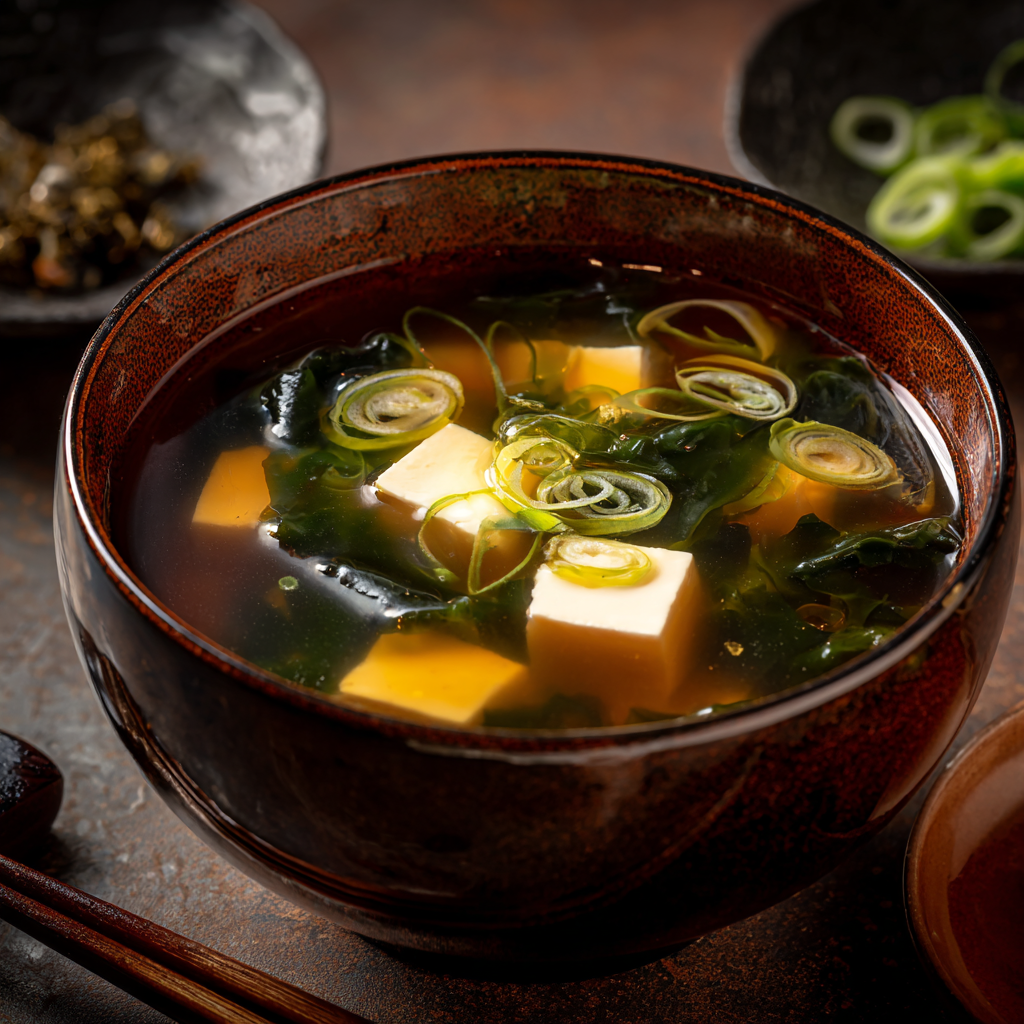
Enhance your bowl of Authentic Japanese Miso Soup with garnishes such as thinly sliced green onions or a sprinkle of toasted sesame seeds. A few tiny cubes of soft tofu and rehydrated wakame are traditional and visually inviting. You can also add a pinch of shichimi togarashi for a gentle kick if you enjoy a bit of spice.
Side Dishes
This soup pairs wonderfully with classic Japanese sides like steamed rice, pickled vegetables, or grilled fish. It’s also fantastic alongside tempura for a meal that balances crispy and delicate flavors. Authentic Japanese Miso Soup acts as a tasteful palate cleanser when paired with richer dishes.
Creative Ways to Present
Try serving your miso soup in a traditional lacquerware bowl to bring an authentic feel to your table. For a casual touch, clear glass bowls reveal the vibrant colors of the soup’s ingredients beautifully. You can also top your soup with edible flowers or microgreens for a modern Japanese fusion twist that dazzles the eye and palate alike.
Make Ahead and Storage
Storing Leftovers
Authentic Japanese Miso Soup is best enjoyed fresh, but if you have leftovers, store them in an airtight container in the refrigerator for up to 2 days. Keep the tofu and seaweed in the broth to retain their flavor, but reheat gently to prevent curdling the miso.
Freezing
While technically possible to freeze miso soup, it’s not usually recommended because the tofu may change texture and the flavors can become muted. If you choose to freeze, do so without tofu and wakame, adding them fresh when reheating.
Reheating
When reheating Authentic Japanese Miso Soup, warm it gently over low heat. Avoid boiling as high heat can kill the beneficial enzymes in miso and cause bitterness. Stir occasionally until heated through and enjoy the comforting flavors just as if freshly made.
FAQs
What is dashi and why is it important?
Dashi is a light Japanese broth typically made from kombu (kelp) and bonito flakes, providing the foundational umami flavor crucial for authentic miso soup. It elevates the soup beyond simple broth into something rich and deeply savory.
Can I use different types of miso paste?
Absolutely! White miso (shiromiso) is milder and sweeter, while red miso (akamiso) offers a stronger, earthier flavor. Feel free to experiment or blend both to suit your taste for your Authentic Japanese Miso Soup.
Is miso soup healthy?
Yes! Miso soup is low in calories, rich in probiotics from the fermented miso paste, and contains essential nutrients from seaweed and tofu. It’s a nutritious and light way to start or complement a meal.
How long does authentic miso soup take to make?
From start to finish, making Authentic Japanese Miso Soup takes about 15 to 20 minutes. It’s quick, simple, and perfect for busy days or when you want something soothing and homemade.
Can I make this soup vegetarian or vegan?
Definitely! For a vegan version, use kombu alone for dashi without bonito flakes. The soup remains flavorful and satisfying while aligning with vegetarian and vegan diets.
Final Thoughts
I encourage you to embrace the simplicity and joy of making Authentic Japanese Miso Soup at home. This soup isn’t just food; it’s a comforting ritual that connects you to generations of Japanese tradition and flavors. Once you taste that perfect balance of savory broth, tender tofu, and fresh seaweed, you’ll understand why this humble soup has held a special place at the Japanese table for centuries. Give it a try—you might just find your new favorite bowl of warmth.
Your email address will not be published. Required fields are marked *