
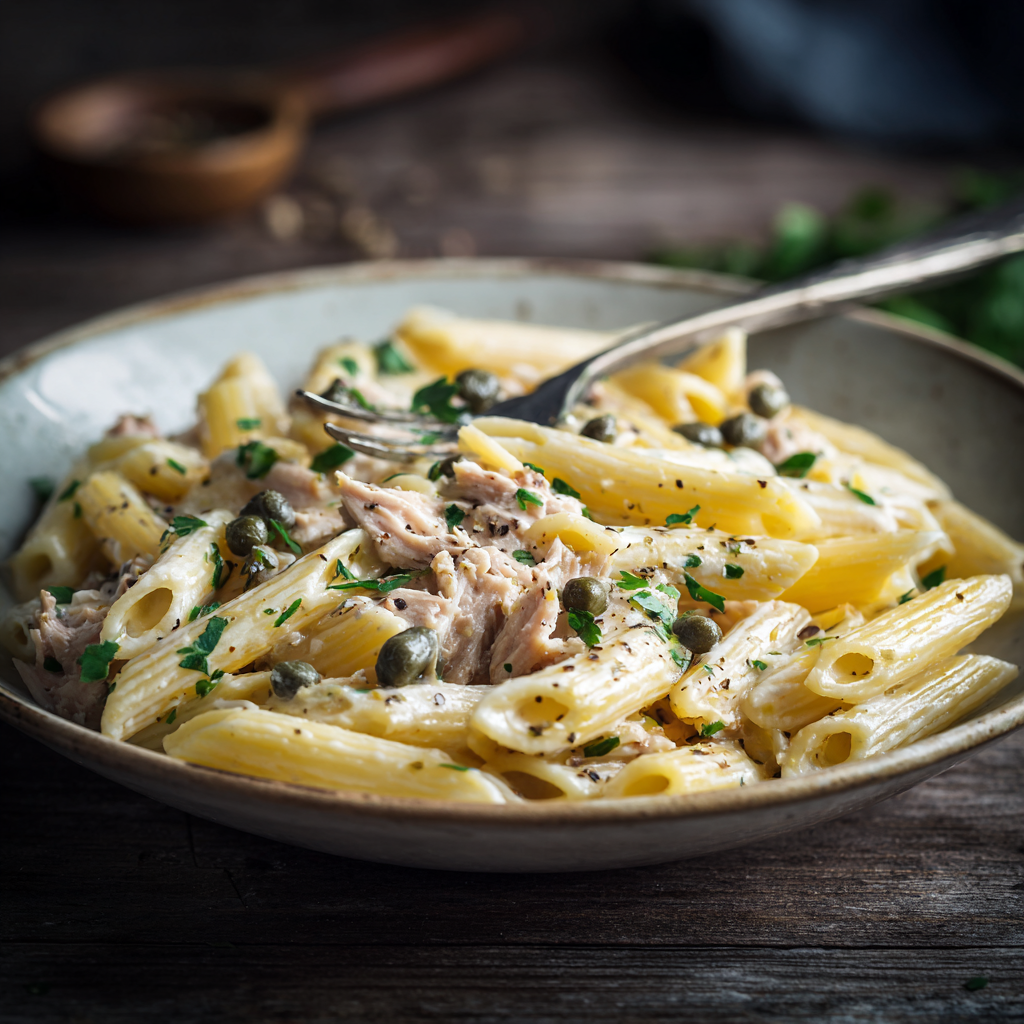
If you are looking for a quick, satisfying meal that balances flavors and textures perfectly, Tuna Pasta is the answer. This simple yet comforting dish brings together tender pasta tossed with hearty canned tuna, fresh chopped onions, and a vibrant tomato sauce. The addition of olive oil and a touch of seasoning makes every bite rich and flavorful, while optional ingredients like olives or bell peppers introduce delightful bursts of texture and color. It’s a perfect go-to for when you want something wholesome and tasty without spending hours in the kitchen.

Ingredients You’ll Need
The magic of Tuna Pasta lies in its straightforward ingredients, each playing a crucial role in flavor and consistency. The combination is not only easy to source but also combines to create a dish that feels both fresh and satisfying.
- Pasta: Choose your favorite type, like penne or fusilli, to hold the sauce beautifully.
- Canned tuna: Opt for tuna in olive oil for extra richness and better texture.
- Onion: Finely chopped to add a subtle sweetness and crunch.
- Tomato sauce: Use a simple, good-quality base for that perfect balance of tang and sweetness.
- Olive oil: Adds smoothness and depth to the sauce.
- Salt and black pepper: Essential for enhancing all the flavors.
- Optional – Sliced olives: For a salty, briny twist.
- Optional – Diced bell peppers: Adds color and a mild, refreshing crunch.
How to Make Tuna Pasta
Step 1: Cook the Pasta
Start by boiling salted water in a large pot and cook your pasta until it is al dente. This means it should still have a slight bite to it, which will hold up nicely when mixed with the sauce later. Drain the pasta, reserving a small cup of the cooking water before you toss it.
Step 2: Prepare the Sauce Base
While the pasta is cooking, heat olive oil in a pan over medium heat. Add the chopped onions and sauté them until they are soft and translucent, which usually takes around 5 minutes. This step releases their natural sweetness, perfectly complementing the tomato sauce.
Step 3: Add Tomato Sauce and Season
Pour the tomato sauce into the pan with the sautéed onions. Stir well and allow it to simmer for about 10 minutes, letting the flavors marry. Season the sauce with salt and freshly ground black pepper to your taste. If you like, toss in the sliced olives or diced bell peppers now for added texture.
Step 4: Combine Tuna and Pasta
Drain the canned tuna, then gently flake it into the tomato sauce. Add the cooked pasta directly to the pan and mix everything thoroughly. If the sauce feels too thick, splash in a bit of the reserved pasta water to loosen it up and help bind the ingredients together beautifully.
How to Serve Tuna Pasta
Garnishes
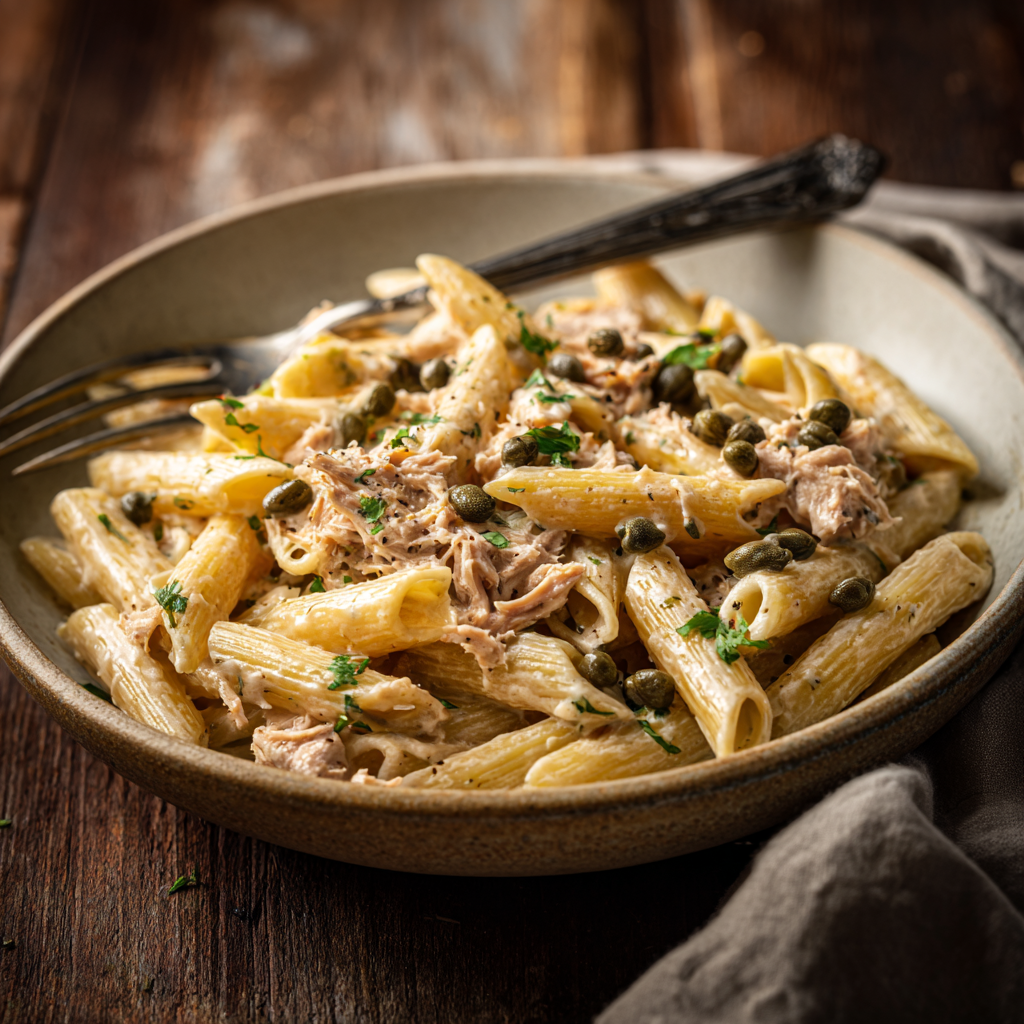
Enhance your Tuna Pasta by sprinkling fresh herbs like chopped parsley or basil on top. A light drizzle of extra virgin olive oil adds shine and an extra layer of flavor that makes the dish feel special. A few shavings of Parmesan cheese can also bring a deliciously savory note if you enjoy cheese.
Side Dishes
This Tuna Pasta pairs wonderfully with crisp, fresh salads like a simple arugula and lemon dressing or a crunchy cucumber salad. For heartier meals, roasted vegetables or garlic bread can help round out the plate and satisfy bigger appetites.
Creative Ways to Present
Serve the Tuna Pasta in shallow bowls for a cozy, rustic appeal or plate it neatly on a flat dish for a modern touch. Adding a lemon wedge on the side invites your guests to add a fresh zesty kick, making each serving bright and inviting. For a fun twist, serve it topped with a poached egg for extra creaminess.
Make Ahead and Storage
Storing Leftovers
Tuna Pasta keeps well in the refrigerator for up to 3 days when stored in an airtight container. The flavors meld beautifully overnight, making it even tastier the next day. Just be sure to cool it completely before refrigeration to preserve freshness.
Freezing
While Tuna Pasta can be frozen, it’s best to freeze it without the optional vegetables, as they may lose texture upon thawing. Store in a freezer-safe container for up to one month. Thaw slowly in the refrigerator overnight before reheating.
Reheating
Reheat your Tuna Pasta gently on the stove over low heat, stirring occasionally to prevent sticking. Adding a splash of water or broth helps refresh the sauce and keeps it from drying out. Microwave reheating works, too, but do so in short bursts to keep the tuna from becoming tough.
FAQs
Can I use fresh tuna instead of canned for Tuna Pasta?
Absolutely, though the cooking method changes slightly. Fresh tuna should be seared quickly to keep it tender and added at the end to avoid overcooking. Canned tuna is perfect for its ease and flaky texture that blends nicely in this pasta.
What type of pasta is best for Tuna Pasta?
Short pasta shapes like penne, fusilli, or rigatoni work wonderfully as they catch the sauce well. However, feel free to use spaghetti or linguine if that’s what you have on hand; it all comes down to personal preference.
Is Tuna Pasta suitable for meal prep?
Yes, Tuna Pasta is ideal for meal prepping since it stores and reheats well. Just be mindful to add any fresh garnishes or delicate ingredients after reheating to keep things bright and fresh.
Can I make Tuna Pasta vegan or vegetarian?
This classic recipe relies on tuna, so for a vegan or vegetarian alternative, you might try chickpeas or marinated tofu instead. Adjust seasoning accordingly to keep that umami punch.
How spicy is Tuna Pasta? Can I adjust it?
The original Tuna Pasta is mild, but you can easily add crushed red pepper flakes or a dash of hot sauce to give it some heat. It’s wonderfully adaptable to your spice preferences.
Final Thoughts
Tuna Pasta is one of those dishes that feels like a warm hug on a plate — quick to make, satisfying to eat, and endlessly adaptable. Whether you’re in a rush or simply craving something comforting, this recipe delivers every time. Give it a try and watch it become a beloved staple in your kitchen as it did in mine!
Your email address will not be published. Required fields are marked *