
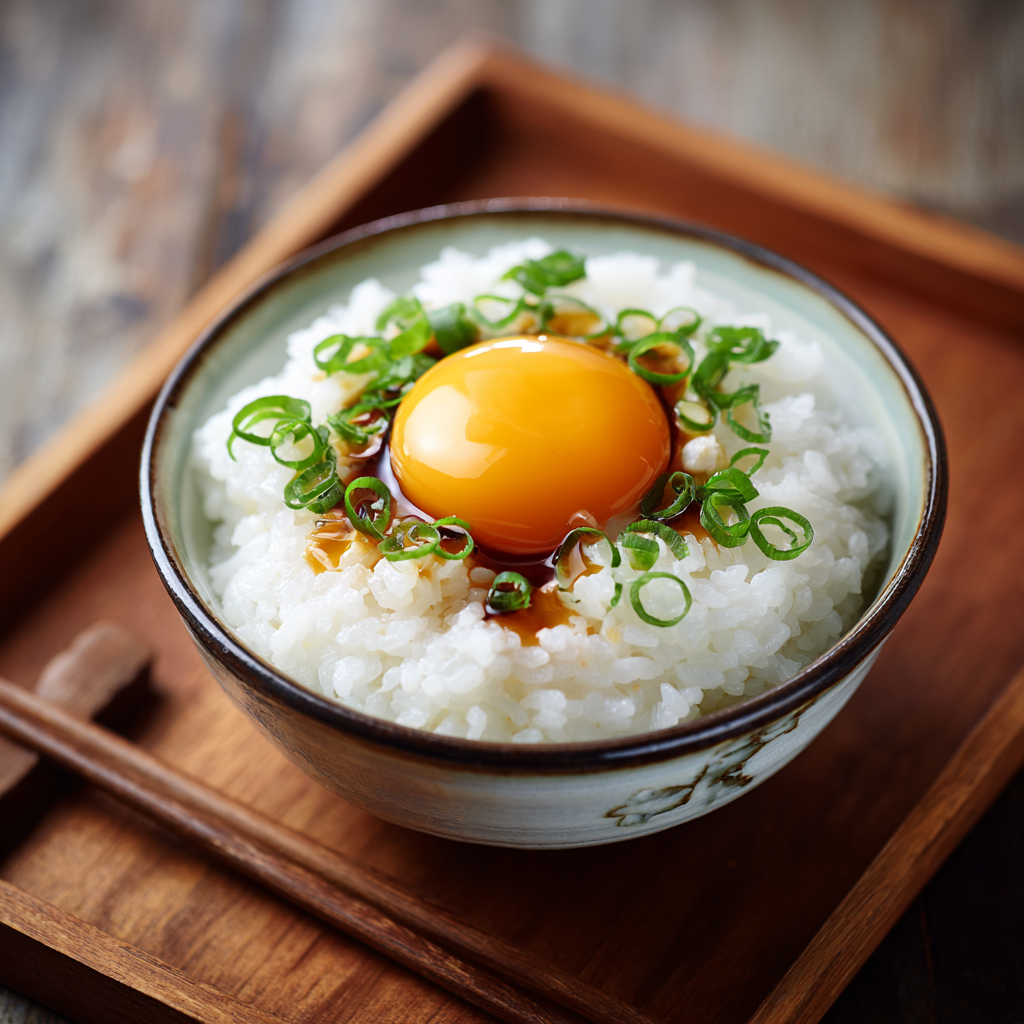
If you’re looking for a dish that’s incredibly simple yet deeply satisfying, Tamago Kake Gohan (TKG Japanese Egg on Rice) is an absolute must-try. This humble Japanese comfort food consists of fluffy steamed rice topped with a fresh raw egg, which, when mixed together, creates a creamy, velvety texture that’s both delicate and indulgent. The beauty of Tamago Kake Gohan (TKG Japanese Egg on Rice) lies in its simplicity—it celebrates everyday ingredients, transforming them into a heartwarming meal that feels like a warm hug from the inside. Whether you’re enjoying it as a quick breakfast or a cozy late-night snack, this dish has a magic way of making you appreciate the basics in the most delicious way.

Ingredients You’ll Need
What makes Tamago Kake Gohan (TKG Japanese Egg on Rice) truly special are the few but essential ingredients that come together perfectly. Each element adds its own unique flair, from the comforting warmth of the rice to the rich silkiness of the egg. Here’s everything you need to make this delightful dish.
- Short-grain Japanese rice: The foundation of the dish, prized for its sticky, slightly sweet texture that holds the egg beautifully.
- Fresh raw egg: The star ingredient that transforms the rice into a luscious, creamy bowl—make sure it’s as fresh as possible for safety and flavor.
- Soy sauce: Adds a savory, salty depth that balances the richness of the egg.
- Optional toppings like nori or green onions: These bring extra layers of umami and freshness, enhancing both taste and visual appeal.
How to Make Tamago Kake Gohan (TKG Japanese Egg on Rice)
Step 1: Cook the Rice to Perfection
Start by cooking your short-grain Japanese rice until it’s perfectly fluffy and slightly sticky—this texture is key to locking in the egg nicely. Using a rice cooker makes this foolproof, but stovetop works just as well. Once cooked, let it sit covered for a few minutes to steam through.
Step 2: Prepare Your Egg
Choose a fresh, high-quality egg and crack it directly into a small bowl—this helps you check for freshness and ensures no shell fragments sneak in. You can lightly beat the egg if you prefer a more consistent texture when it’s mixed with the rice.
Step 3: Combine Egg and Rice
While the rice is still piping hot, place it in your serving bowl and pour the raw egg over it. Quickly and thoroughly mix them together using chopsticks or a spoon. The heat from the rice gently cooks the egg, giving the whole dish a silky, custard-like consistency that’s incredibly comforting.
Step 4: Add Soy Sauce and Mix Again
Drizzle soy sauce to taste, and stir once more to evenly distribute that savory tang. This final touch balances the creaminess of the egg and warms the flavor up wonderfully.
How to Serve Tamago Kake Gohan (TKG Japanese Egg on Rice)
Garnishes
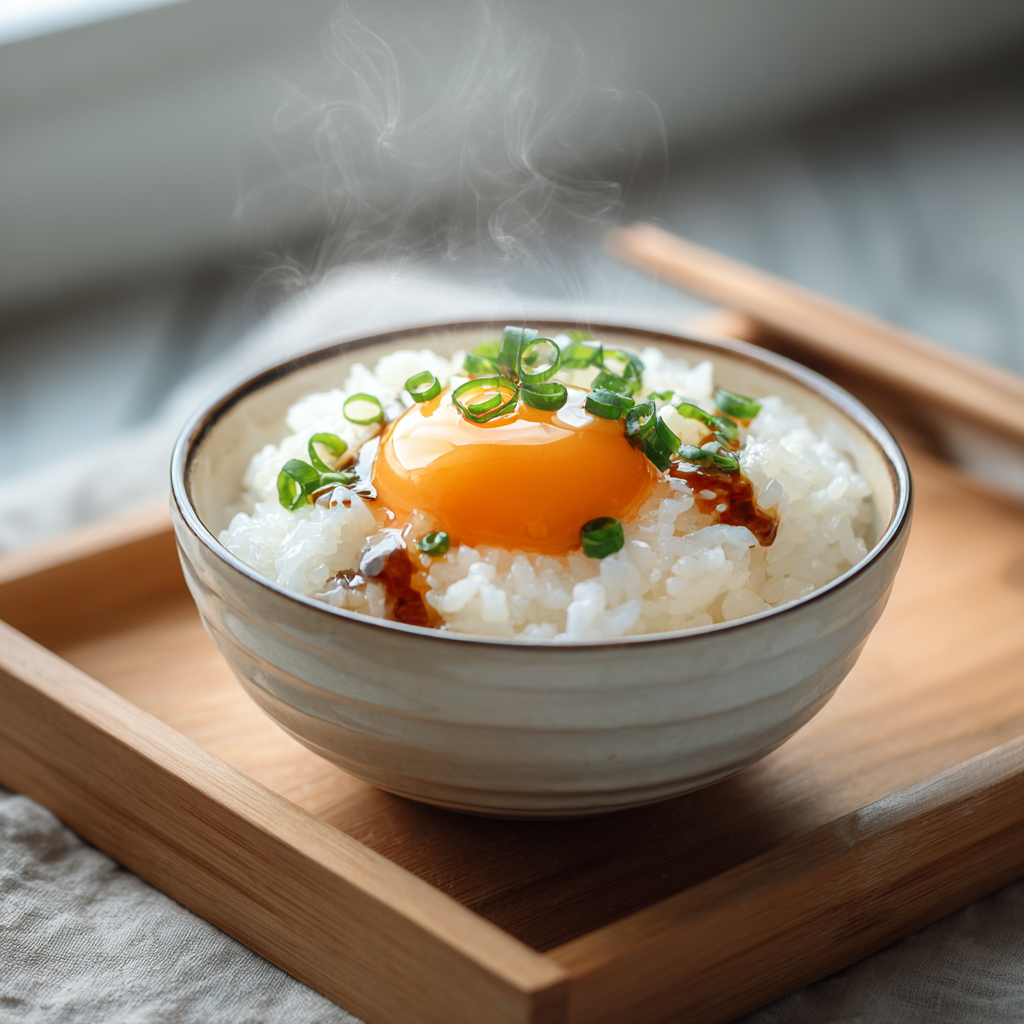
While Tamago Kake Gohan (TKG Japanese Egg on Rice) is delicious on its own, garnishes make the eating experience even more exciting. Try adding thin strips of toasted nori for a crispy, oceanic flavor, freshly chopped green onions for brightness, or a sprinkle of toasted sesame seeds for a subtle nutty crunch.
Side Dishes
This dish pairs beautifully with simple Japanese sides like miso soup or pickled vegetables. These accompaniments bring variety and complementary textures that turn your meal into a more rounded and satisfying experience.
Creative Ways to Present
For a fun twist, try serving Tamago Kake Gohan (TKG Japanese Egg on Rice) in individual bowls with a variety of toppings laid out buffet-style—allowing everyone to customize their own bowl. You can even add a drizzle of truffle oil or a sprinkle of shichimi togarashi if you’re feeling adventurous!
Make Ahead and Storage
Storing Leftovers
If you happen to have leftovers, store the rice separately from the egg mixture to maintain freshness. Keep the rice in an airtight container in the refrigerator and consume within a day for the best texture.
Freezing
Freezing Tamago Kake Gohan (TKG Japanese Egg on Rice) isn’t recommended since raw egg turns watery and rice texture changes upon thawing, losing the dish’s signature creaminess.
Reheating
Reheat the rice gently in the microwave with a damp cloth covering it to retain moisture. Add a fresh egg and soy sauce after warming, then mix to enjoy the authentic creamy texture every time.
FAQs
Is it safe to eat raw egg in Tamago Kake Gohan?
Yes, as long as you use fresh, high-quality eggs from a reputable source. Many people enjoy this dish regularly in Japan, where eggs are specially handled for raw consumption.
Can I use other types of rice?
Short-grain Japanese rice works best because of its sticky texture. Long-grain rice tends to be too dry and fluffy, which won’t hold the egg as well.
What if I don’t like raw eggs?
You can briefly poach or soft boil the egg before mixing it in, but this alters the traditional silky texture. Alternatively, try a soft scrambled egg on rice for a similar comforting feel.
Are there variations of Tamago Kake Gohan?
Absolutely! Some like to add a little dashi broth, grated ginger, or even cheese for a fusion twist. The beauty of Tamago Kake Gohan (TKG Japanese Egg on Rice) is its versatility.
Can children eat this dish?
It depends on the safety of raw eggs in your region and your child’s immune system. Always check with a healthcare provider if you’re unsure.
Final Thoughts
Tamago Kake Gohan (TKG Japanese Egg on Rice) is one of those dishes that proves sometimes less truly is more. Its simple ingredients come together to create a bowl of pure comfort, and once you try it, you’ll understand why it’s a beloved staple in Japanese homes. Give this recipe a try—you might just find your new favorite go-to meal for cozy moments that call for something both quick and utterly soothing.
Your email address will not be published. Required fields are marked *