
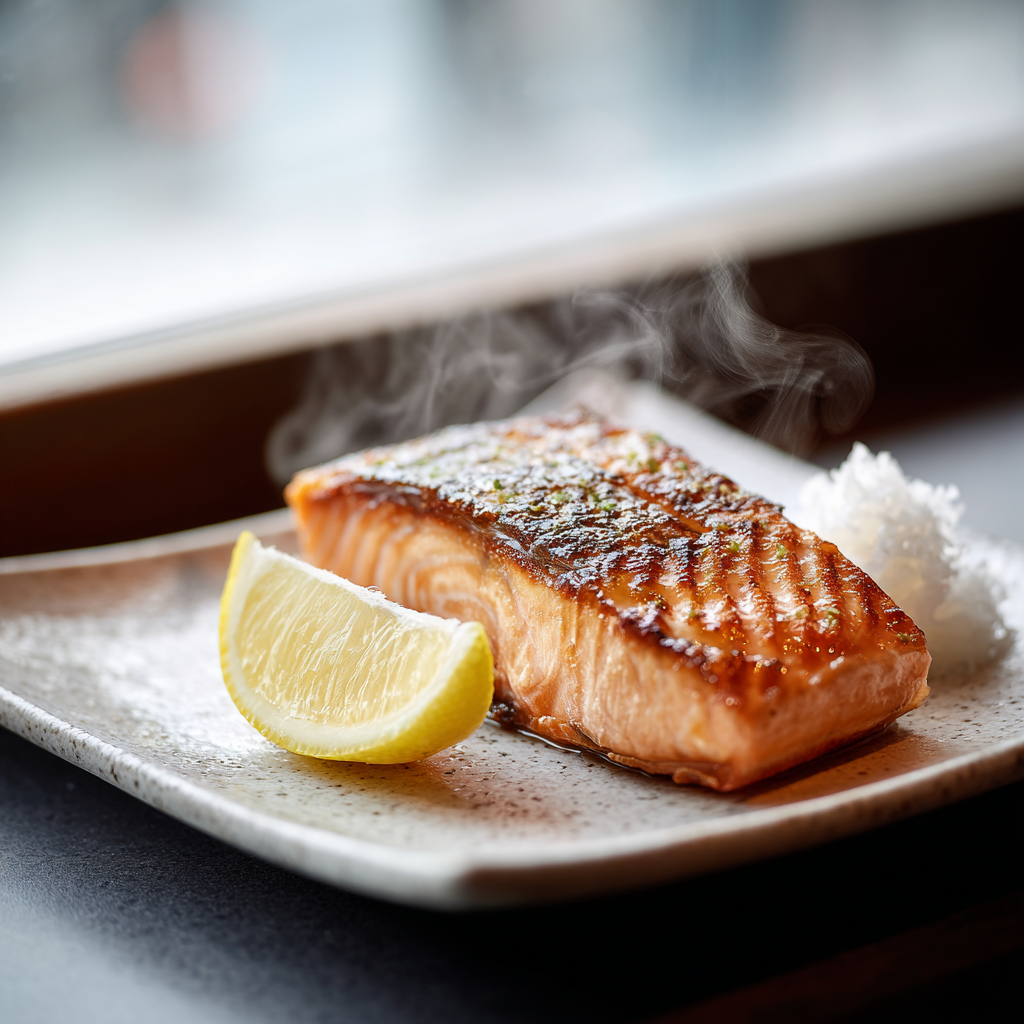
If you’ve ever wanted to experience a taste of Japan’s beloved breakfast tradition, you’re in for a treat with Japanese Salted Salmon (Shiozake). This delightfully simple dish features just fresh salmon and salt, yet delivers a perfectly balanced flavor and texture that feels both comforting and elegant. The salt not only enhances the salmon’s natural sweetness but also helps create a beautifully flaky, tender fillet that pairs wonderfully with classic Japanese breakfast staples. It’s like savoring a little crispy, juicy piece of morning sunshine on your plate.

Ingredients You’ll Need
One of the beauties of making Japanese Salted Salmon (Shiozake) lies in its simplicity. The ingredients list is refreshingly short, yet each component plays a crucial role in bringing out the dish’s signature flavor, texture, and color. Freshness and balance are key.
- Fresh salmon fillets: Choose sashimi-grade or the freshest salmon you can find for purity of taste and perfect texture.
- Coarse sea salt: Essential for seasoning, it draws out moisture gently and enhances the salmon’s rich flavor.
How to Make Japanese Salted Salmon (Shiozake)
Step 1: Prepare the Salmon
Start by rinsing your salmon fillets under cold water, then pat them dry thoroughly with paper towels. This step is important because it ensures the salt will stick evenly and prevents the fish from steaming instead of grilling later.
Step 2: Salt the Salmon
Sprinkle the coarse sea salt evenly over both sides of the salmon fillets. You want a generous but not overwhelming layer – enough to season the fish and aid in preserving its texture. Once salted, let the salmon rest uncovered in the refrigerator for about 30 minutes to an hour. This resting period lets the salt work its magic, subtly curing and firming up the fish.
Step 3: Grill the Salmon
Heat your grill or a non-stick skillet over medium heat. Place the salmon fillets skin-side down first. The skin acts like a natural barrier and crisps up beautifully as it cooks. Grill each side for about 3-5 minutes, depending on thickness, until the salmon is cooked through but still juicy. You’re aiming for a tender, flaky texture with a hint of golden char.
Step 4: Rest and Serve
Once cooked, let the salmon rest for a few minutes. This allows the juices to redistribute and keeps the fish moist and flavorful. Now your Japanese Salted Salmon (Shiozake) is ready to shine!
How to Serve Japanese Salted Salmon (Shiozake)
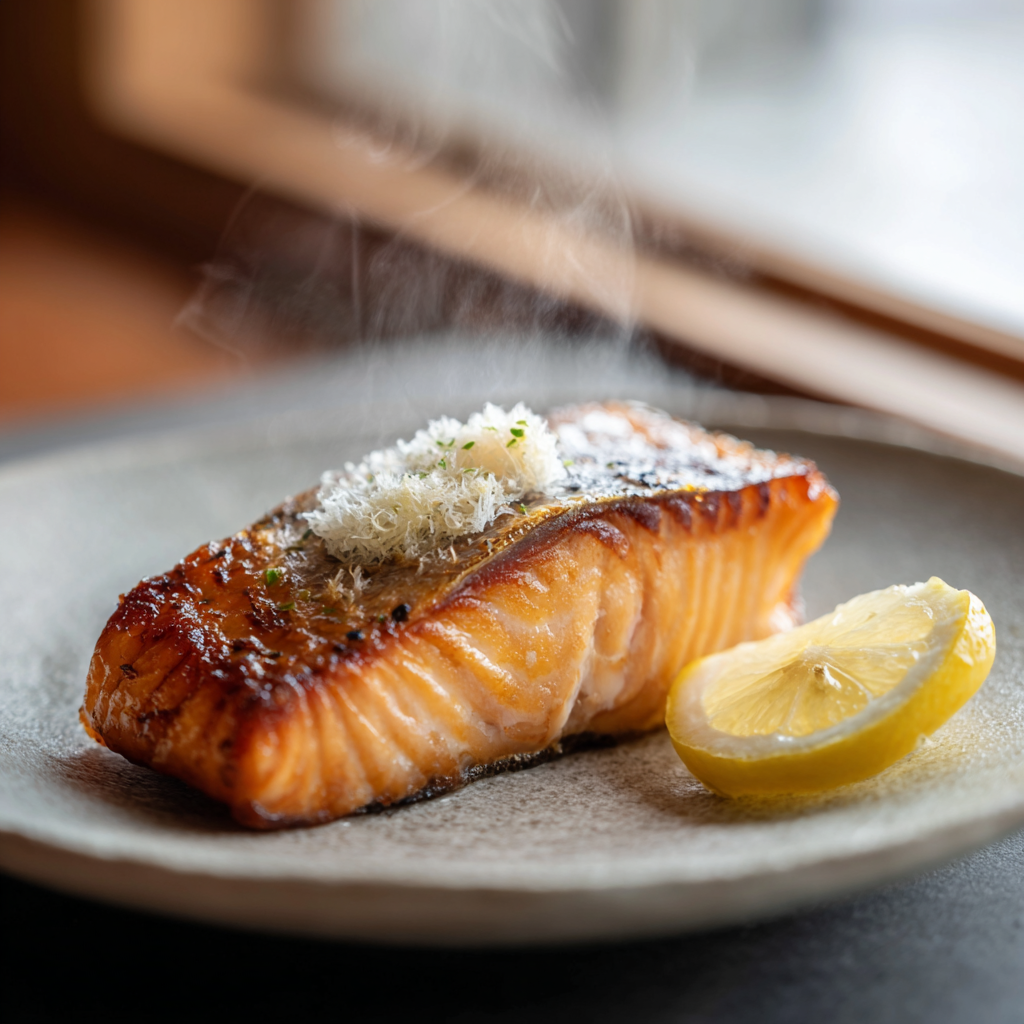
Garnishes
The classic accompaniments to Japanese Salted Salmon (Shiozake) add brightness and contrast. A simple wedge of sudachi or lemon brings a zesty freshness, while freshly grated daikon radish offers a cool, slightly spicy counterpoint that complements the rich salmon perfectly.
Side Dishes
This dish truly shines when paired with steaming white rice and a warm bowl of miso soup, creating a balanced and satisfying breakfast meal. Pickled vegetables or a small salad with light soy-sesame dressing can also add delightful texture and variety.
Creative Ways to Present
Feel free to get creative! Serve your shiozake over a bed of lightly buttered sautéed greens for a twist, or flake the fish and scatter it over rice bowls topped with scallions and nori strips. Bento boxes with rice, veggies, and a slice of your salted salmon make an attractive and portable meal option.
Make Ahead and Storage
Storing Leftovers
If you have any leftover Japanese Salted Salmon (Shiozake), store it in an airtight container in the refrigerator. It’s best eaten within 1-2 days to enjoy its full flavor and texture while it remains fresh.
Freezing
You can freeze portions of the cooked salmon by wrapping them tightly in plastic wrap and placing them in a freezer-safe bag or container. Frozen shiozake maintains quality for up to one month and can be thawed in the fridge before reheating.
Reheating
To reheat, use a low heat setting in a skillet or oven to gently warm the salmon without drying it out. Avoid microwaving if possible, as it can make the fish rubbery. A quick warm-up helps preserve that tender, flaky goodness that makes this dish so special.
FAQs
What kind of salmon is best for Japanese Salted Salmon (Shiozake)?
For the best texture and flavor, opt for fresh, high-quality salmon fillets, preferably sashimi-grade if available. Wild-caught salmon tends to have a richer flavor, but farmed salmon also works well for this recipe.
Is Japanese Salted Salmon (Shiozake) safe to eat raw?
While shiozake uses salt to cure the salmon slightly, it is not meant to be eaten raw. The salmon should be cooked thoroughly to ensure safety, yielding a perfectly flaky and tender texture.
Can I use regular table salt instead of sea salt?
Sea salt is recommended due to its texture and mineral content, which enhance flavor and help in the curing process. Table salt is finer and might lead to over-salting, so it’s best to stick with coarse sea salt if possible.
How long can I salt the salmon before grilling?
Typically, letting the salted salmon rest in the fridge for 30 minutes to an hour is ideal. This gives enough time for the salt to penetrate and cure the fish slightly, but longer curing times could make the fish too salty or dry.
Can Japanese Salted Salmon (Shiozake) be eaten for meals other than breakfast?
Absolutely! Though it’s traditionally a breakfast item in Japan, shiozake’s savory flavor and versatility make it perfect for lunch, dinner, or even as part of a bento box or salad throughout the day.
Final Thoughts
There’s something truly comforting about the simple elegance of Japanese Salted Salmon (Shiozake). With just two ingredients and an easy cooking method, it offers a delicious window into Japanese home cooking that you can enjoy every day. Give it a try and see how effortlessly you can bring a bit of Japan’s warmth and flavor into your own kitchen. You might just find it becoming your new go-to meal!
Your email address will not be published. Required fields are marked *