
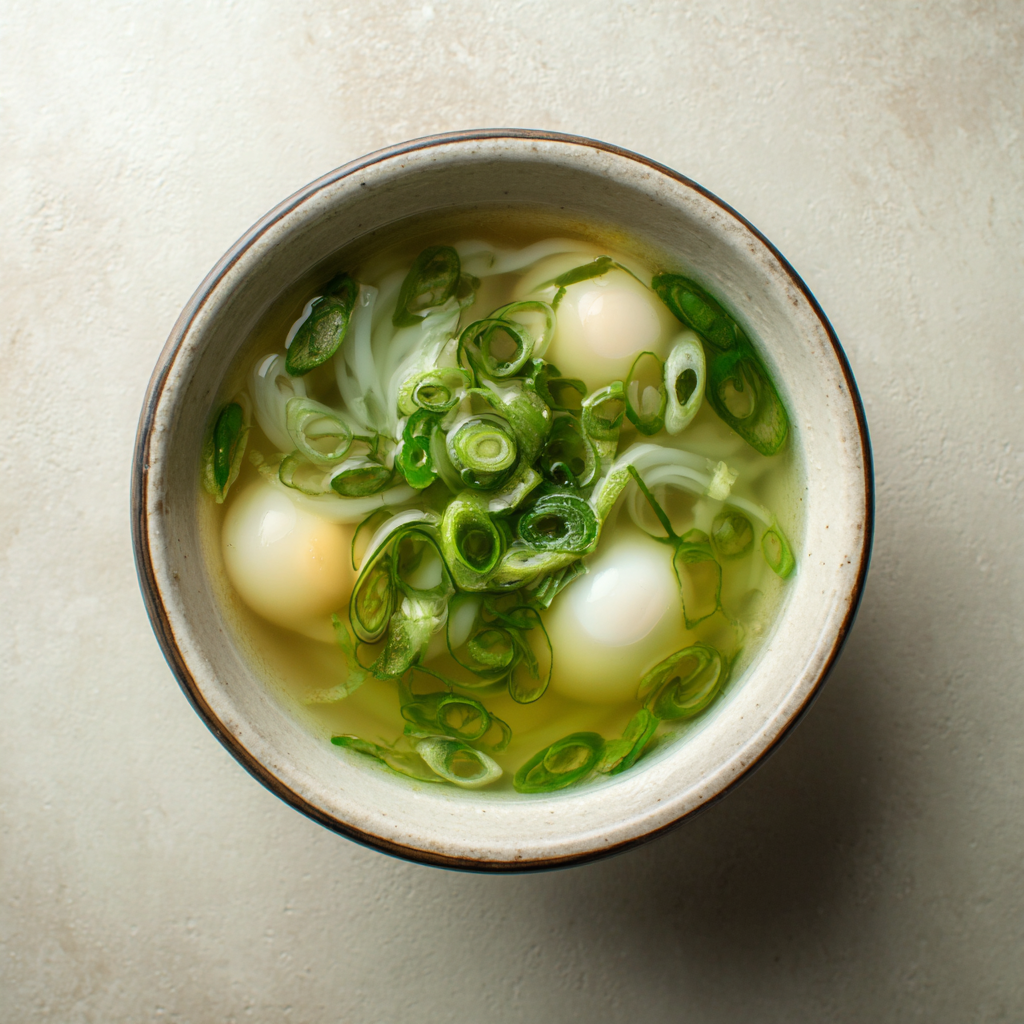
Japanese Egg Drop Soup (Kakitamajiru) is a delightful bowl of light, comforting goodness that just warms your soul with every spoonful. Imagine tender, fluffy ribbons of egg swimming in a delicate dashi broth seasoned with soy sauce and a touch of salt — it’s simplicity at its best, delivering deep umami flavor without any fuss. This traditional Japanese soup is perfect for those mornings when you want something nourishing yet gentle, or as an elegant side dish that complements any meal beautifully. Trust me, once you try Japanese Egg Drop Soup (Kakitamajiru), it will become one of your go-to comfort foods!

Ingredients You’ll Need
The magic of Japanese Egg Drop Soup (Kakitamajiru) lies in its simplicity, and each ingredient plays a vital role in creating the perfect balance of flavor, texture, and color. With just a few essentials, you can bring this classic dish to life in your kitchen.
- Dashi stock: The heart of the soup, providing a savory umami base that is light yet flavorful.
- Eggs: Whisked and gently poured to create those characteristic soft, silky ribbons of egg.
- Soy sauce: Adds a subtle saltiness and depth that rounds out the broth beautifully.
- Salt: To season and enhance the natural flavors without overpowering the delicate broth.
- Green onions (optional): For a fresh, slightly sharp contrast that brightens the soup when sprinkled on top.
- Shichimi togarashi (optional): A Japanese seven-spice blend that adds a hint of warmth and complexity if you like a little kick.
How to Make Japanese Egg Drop Soup (Kakitamajiru)
Step 1: Prepare the Dashi Broth
Start by preparing a simple yet flavorful dashi broth. This clear stock is traditionally made from kombu (kelp) and bonito flakes, but instant dashi powder works just as well and saves time. Bring the dashi to a gentle simmer and let it infuse with those rich umami notes that will form the perfect soup base.
Step 2: Season the Broth
Once your dashi is gently simmering, season it with soy sauce and a pinch of salt. Taste as you go, aiming for a delicate balance where the salty and savory flavors lift the soup without overshadowing the eggs.
Step 3: Whisk Your Eggs
While the broth simmers, crack your eggs into a bowl and whisk them thoroughly until smooth and slightly frothy. The whisking incorporates air, ensuring the eggs cook into soft, fluffy ribbons when added to the hot broth.
Step 4: Pour the Eggs into the Soup
Slowly drizzle the whisked eggs into the simmering broth in a thin stream while stirring gently with chopsticks or a fork. This technique creates those iconic delicate egg ribbons floating throughout the soup. Allow a few seconds for the egg to set before ladling the soup into bowls.
How to Serve Japanese Egg Drop Soup (Kakitamajiru)
Garnishes
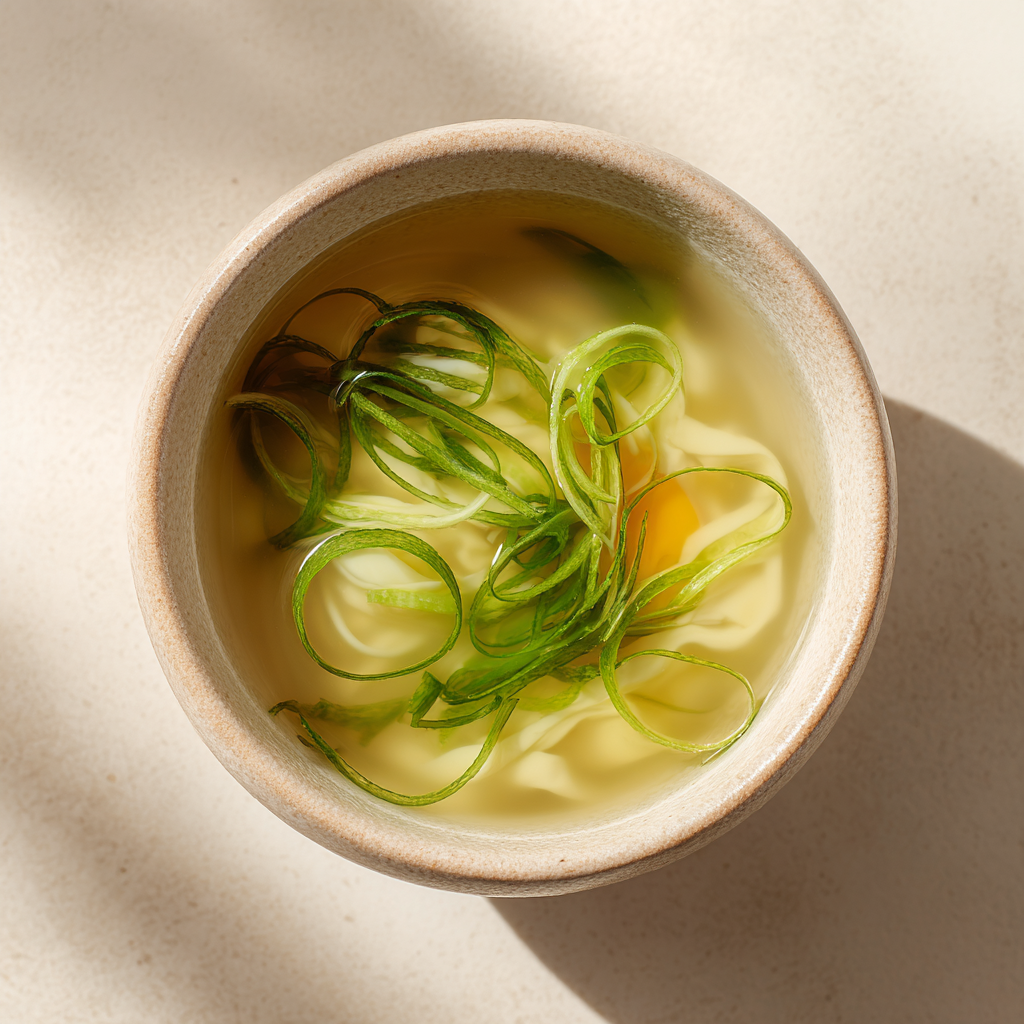
Top your Japanese Egg Drop Soup (Kakitamajiru) with finely chopped green onions for a fresh pop of color and subtle onion flavor. If you enjoy a bit of spice, sprinkle a pinch of shichimi togarashi to add a warming, fragrant note that balances the mildness of the eggs.
Side Dishes
This soup pairs beautifully with simple Japanese staples like steamed rice or a light vegetable stir-fry. It’s also wonderful alongside grilled fish or tempura, making for a well-rounded, satisfying meal that’s both comforting and refined.
Creative Ways to Present
To elevate your presentation, serve the soup in elegant lacquered bowls or delicate ceramic ones chosen to highlight the golden egg ribbons. Garnishing with edible flowers, finely sliced mushrooms, or a few drops of sesame oil can add unique textures and aromas that impress at any table.
Make Ahead and Storage
Storing Leftovers
You can refrigerate leftover Japanese Egg Drop Soup (Kakitamajiru) in an airtight container for up to two days. Keep in mind that the egg ribbons may soften further and change texture slightly after cooling, but the broth will remain flavorful and comforting.
Freezing
Freezing is not ideal for this soup because the delicate egg ribbons tend to lose their texture upon thawing. For the best taste and texture, it’s best to enjoy it fresh or store only in the refrigerator.
Reheating
When reheating Japanese Egg Drop Soup (Kakitamajiru), warm it gently over low heat. Stir occasionally to prevent the eggs from overcooking or becoming rubbery. Avoid boiling the soup again, as this can alter the smooth texture of the egg ribbons.
FAQs
Can I use store-bought dashi instead of making it from scratch?
Absolutely! Store-bought instant dashi powder or liquid is a convenient alternative that still delivers the signature umami flavor of dashi, making your Japanese Egg Drop Soup (Kakitamajiru) quick and easy to prepare without sacrificing taste.
What type of eggs are best for this recipe?
Fresh eggs are key for the best texture and flavor. Whether you use standard chicken eggs or organic ones, as long as they’re fresh, you’ll get those beautiful, silky egg ribbons that define the soup.
Can I add vegetables or proteins to make it a fuller meal?
Yes, you can customize the soup by adding thinly sliced mushrooms, spinach, or tofu for extra nutrients and texture. However, keep the additions light to maintain the delicate, clean profile of Japanese Egg Drop Soup (Kakitamajiru).
Is this soup suitable for a breakfast meal?
Definitely! Japanese Egg Drop Soup (Kakitamajiru) is a popular breakfast option in Japan because it’s light, nourishing, and easy on the stomach. It’s also quick to prepare, making it perfect for busy mornings.
How do I achieve the perfect egg ribbons without clumping?
The secret is to whisk the eggs well and pour them slowly in a thin stream while gently stirring the simmering broth. This technique spreads the eggs evenly, allowing them to cook into those lovely wispy ribbons rather than clumps.
Final Thoughts
Japanese Egg Drop Soup (Kakitamajiru) is a truly special dish that proves simple ingredients can create extraordinary flavors and textures. It’s one of those comforting bowls that feels like a warm hug on a chilly day or a light, elegant starter for any meal. I encourage you to give this recipe a try — your kitchen will fill with irresistible aromas, and your heart will thank you for it!
Your email address will not be published. Required fields are marked *