
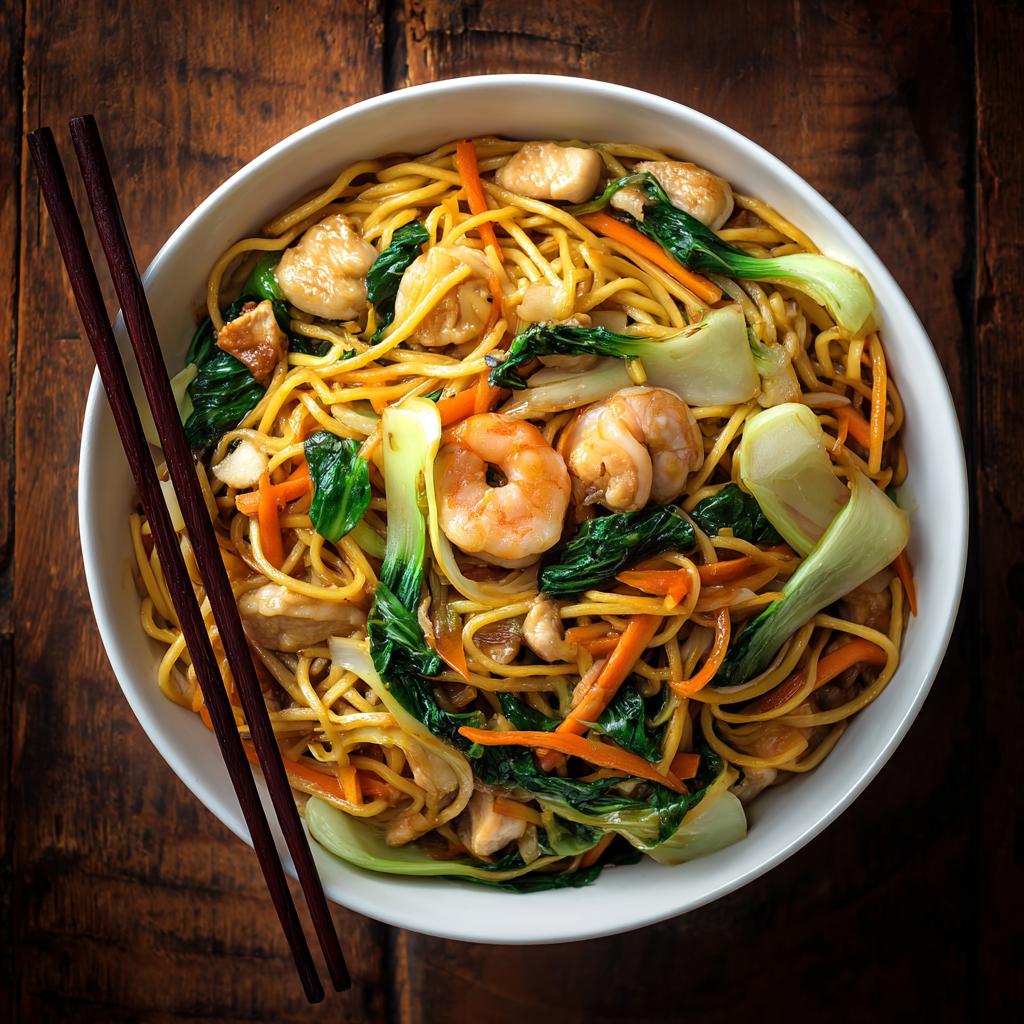
If you’ve ever craved a dish that delivers crispy, saucy, and utterly comforting bites all at once, then you are going to fall head over heels for this Cantonese Chow Mein. This classic stir-fried noodle dish brings together fresh Hong Kong-style egg noodles with a sweet and savory sauce that clings perfectly to every strand, accented by tender veggies and that signature wok hei flavor. The best part is how effortlessly you can whip up this restaurant-favorite right at home in about 15 minutes, transforming simple ingredients into a sensational meal that feels like warm, delicious nostalgia on your plate.

Ingredients You’ll Need
To create this Cantonese Chow Mein, you’ll want to gather a handful of straightforward ingredients that each shine in their own way. From the fresh noodles to the aromatic onions and that luscious stir-fry sauce, every element plays a crucial role in building the taste, texture, and color of the dish.
- 12 oz chow mein egg noodles: Use thin, fresh Hong Kong-style noodles for that authentic chewy texture that crisps beautifully when pan-fried.
- ½ small yellow onion, thinly sliced: Adds a gentle sweetness and slight crunch that elevates the stir-fry.
- 5 stalks green onions, cut into 2-inch pieces: Whites and greens separated to layer mild pungency and fresh color throughout.
- 2 cups bean sprouts: Bring a crisp, juicy bite that brightens up the noodles and keeps things light.
- 3 tablespoons corn oil or any neutral oil: Essential for achieving the perfectly crispy noodles without overpowering flavors.
- 1 teaspoon sesame oil: Added at the end for a warm, nutty aroma that finishes the dish beautifully.
- Stir Fry Sauce: A blend of 2 tablespoons dark soy sauce, 1 tablespoon regular soy sauce, 1 tablespoon oyster sauce, ½ teaspoon fish sauce, 1 tablespoon granulated sugar, and 1 tablespoon water — this magical combo delivers umami richness balanced with sweetness.
How to Make Cantonese Chow Mein
Step 1: Perfectly Soften the Noodles
Start by pouring boiling water over your fresh chow mein egg noodles, letting them soak just long enough—between 30 seconds to a minute—to soften without turning mushy. Drain them well, as proper moisture control is key to getting that crisp texture later on.
Step 2: Whip Up the Stir-Fry Sauce
While your noodles soak, mix dark soy sauce, regular soy sauce, oyster sauce, fish sauce, sugar, and water in a small bowl. Stir until the sugar dissolves smoothly. This sauce acts like the heartbeat of your Cantonese Chow Mein, infusing the stir-fry with layers of savory depth and subtle sweetness.
Step 3: Sauté Aromatics for a Flavor Boost
Heat one tablespoon of corn oil in your wok over medium-high heat until shimmering hot. Toss in the yellow onions and the white parts of your green onions and sauté for a quick 60 seconds. These aromatics build the foundation of flavor and soften just enough to become tender without losing their bite. Remove and set aside.
Step 4: Pan-Fry the Noodles to Crispy Perfection
Add another tablespoon of corn oil to your wok and heat it until hot, about two minutes, then add the drained noodles. Spread them out into a thin, even layer and let them cook undisturbed to form that coveted crispness. Flip the noodles carefully, drizzle oil around the edges, and cook for another couple of minutes. The contrast of golden, crunchy noodles with soft interiors is one of the best sensations in this Cantonese Chow Mein.
Step 5: Combine Everything with Vegetables and Sauce
Return the sautéed onions plus both the white and green parts of the green onions, and bean sprouts to the wok. Pour in the stir-fry sauce, then gently toss everything to coat the noodles evenly. Stir just enough to mix flavors and heat through without losing the noodles’ crisp texture. Taste and adjust seasoning if needed—this step really ties all the flavors into a harmonious dish.
Step 6: Finish with Sesame Oil and Serve
Remove the wok from heat, drizzle with fragrant sesame oil, and give everything one last gentle toss. Serve your Cantonese Chow Mein straight away so those crispy bits stay crunchy and the veggies fresh. Ready to enjoy!
How to Serve Cantonese Chow Mein
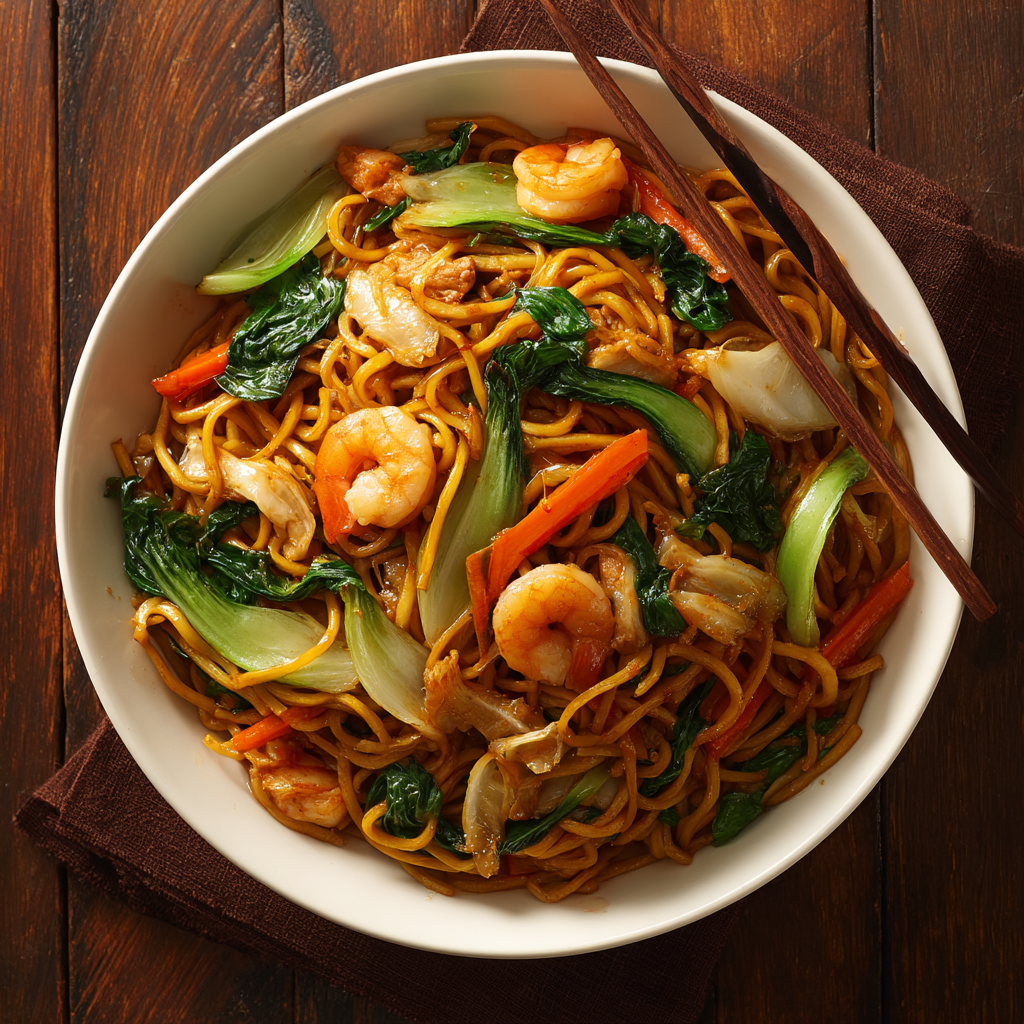
Garnishes
Enhance your plate with some fresh garnishes like a sprinkle of toasted sesame seeds, a few fresh cilantro leaves, or thin slices of red chili for a subtle kick. These little touches add vibrancy and an extra dimension of flavor, making the dish not only tastier but also more inviting on the eyes.
Side Dishes
Cantonese Chow Mein pairs beautifully with simple sides like steamed dumplings, a crisp cucumber salad, or even hot and sour soup to round out your meal with contrasting textures and tastes. Keeping your sides light and fresh lets the noodles stay center stage while offering a well-balanced dinner experience.
Creative Ways to Present
For a fun twist, try serving the stir-fried noodles piled inside individual lettuce cups for a fresh, hand-held bite. Or, create mini noodle nests on appetizer spoons for a party-friendly presentation that lets guests enjoy Cantonese Chow Mein in mini servings bursting with flavor.
Make Ahead and Storage
Storing Leftovers
Keep any leftover Cantonese Chow Mein in an airtight container in the refrigerator for up to 2 days. Because the noodles are best enjoyed crispy, the texture will soften over time, but the flavors will deepen, making leftovers a tasty second round after a quick reheat.
Freezing
While freezing is possible, it’s not recommended as the noodles tend to lose their texture and become mushy once thawed. If you do freeze leftovers, store them in a freezer-safe airtight container for no more than one month, and plan to consume right after reheating.
Reheating
To revive your Cantonese Chow Mein leftovers, reheat gently in a hot pan with a drizzle of oil to restore some of that crispiness. Avoid microwaving if possible, because it tends to make the noodles soggy and less enjoyable.
FAQs
Can I use dried noodles instead of fresh chow mein noodles?
You can substitute dried egg noodles, but be mindful that fresh noodles give the best texture and crispness for authentic Cantonese Chow Mein. If using dried, cook them just shy of al dente before stir-frying to prevent mushiness.
Is this dish vegetarian-friendly?
This recipe focuses on the vegetable components, but the stir-fry sauce contains oyster sauce and fish sauce, which are not vegetarian. You can substitute with mushroom-based sauces and skip fish sauce for a vegetarian version that retains great flavor.
How spicy is Cantonese Chow Mein?
Traditional Cantonese Chow Mein is not spicy, as it emphasizes savory and sweet notes. However, you can easily add red chili flakes or fresh chili slices if you prefer a little heat.
What oil is best for stir-frying these noodles?
Corn oil or another neutral oil with a high smoke point is ideal for achieving the perfect crispiness. The sesame oil is only added at the end to finish the dish and contribute flavor.
Can I add protein to this Cantonese Chow Mein?
Absolutely! Adding sliced chicken, shrimp, or tofu works wonderfully. Cook your protein first in the wok, then proceed with the recipe, adding it back in when you combine the vegetables and sauce.
Final Thoughts
There’s something truly special about making Cantonese Chow Mein at home—quick, flavorful, and incredibly satisfying. This recipe captures the essence of a beloved takeout favorite but with all the freshness and control you want in your own kitchen. Trust me, once you’ve experienced those crispy noodles drenched in that perfect sauce, you’ll be making Cantonese Chow Mein again and again. So grab those noodles, fire up the wok, and let the delicious adventure begin!
Your email address will not be published. Required fields are marked *