
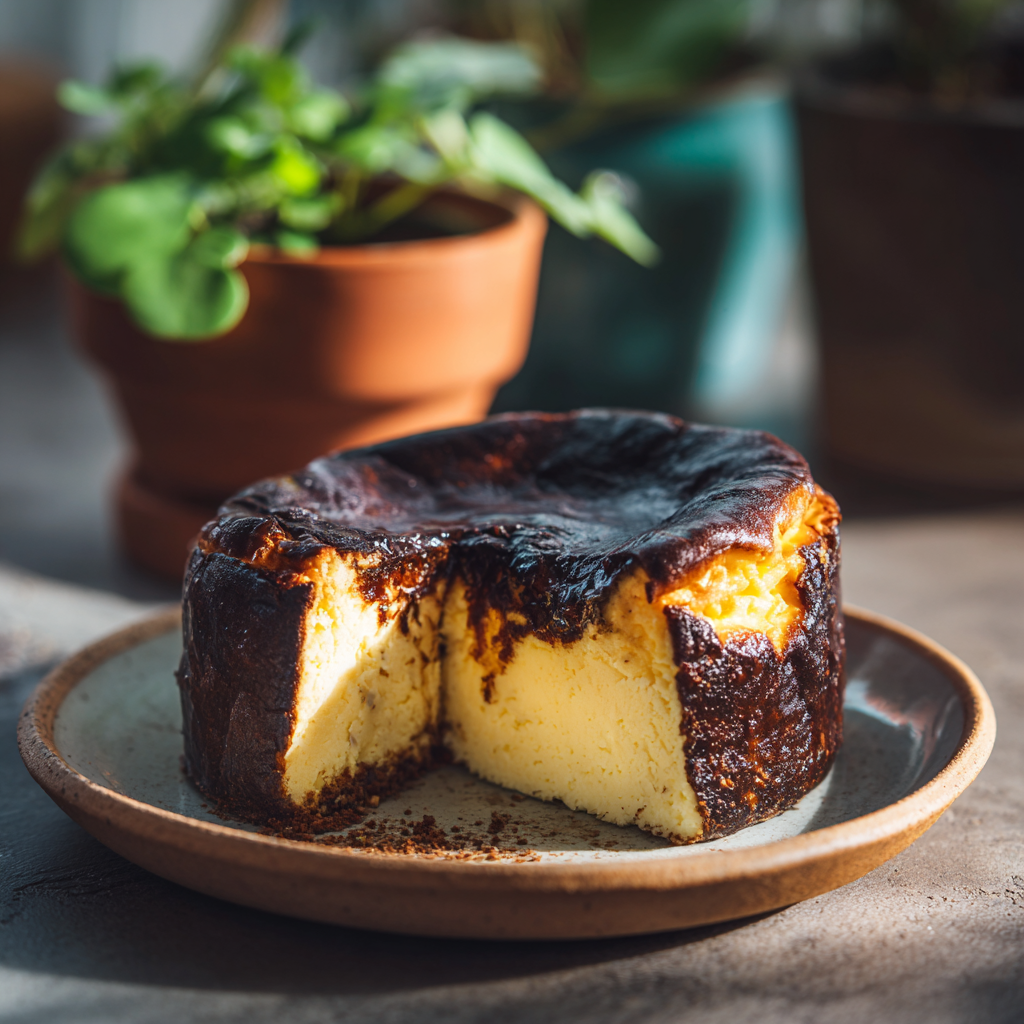
If you are on the hunt for a dessert that feels like a warm hug and a little surprise all in one, the Burnt Basque Cheesecake Recipe is exactly what you need to make your day sweeter. This cake is not your average cheesecake—it boasts a beautifully caramelized, almost burnt top that perfectly contrasts its irresistibly smooth and custardy interior. Originating from the Basque region of Spain, this no-crust cheesecake delivers simplicity and elegance in every bite, making it a true crowd-pleaser and a fresh take on a classic dessert everyone adores.

Ingredients You’ll Need
The charm of this recipe lies in its simple, high-quality ingredients that blend seamlessly to create that perfect balance of richness, texture, and flavor. Each element plays its part, from the creamy tang of cream cheese to the luscious depth of heavy cream and the subtle warmth of vanilla.
- Cream cheese (3 packs, 8 oz each): The star ingredient that provides the cheesecake’s signature creamy texture and tangy flavor.
- Granulated sugar (1 cup): Adds sweetness while helping the cake develop a caramelized crust.
- Large eggs (4, room temperature): Bind the ingredients and create a smooth, custardy consistency.
- Heavy cream (1 ½ cups): Infuses richness and velvety softness into the batter.
- Vanilla extract (1 tablespoon): Enhances the subtle sweetness with warm, aromatic notes.
- Lemon juice (1 tablespoon, optional): Adds a bright touch of acidity that balances the richness.
- Cornstarch or cake flour (3 tablespoons): Provides structure to keep the cheesecake perfectly set yet tender.
- Salt (½ teaspoon): Intensifies the flavors and rounds out the sweetness.
- Chocolate ganache (optional): Made from 1 cup heavy cream and 1 cup Ghirardelli chocolate chips, this adds a luxurious finishing touch.
How to Make Burnt Basque Cheesecake Recipe
Step 1: Prepare Your Pan and Preheat the Oven
Start by heating your oven to a high temperature of 450ºF, which is crucial for that signature burnt exterior. Line an 8-inch springform or cake pan generously with parchment paper, letting it rise well above the rim. This will contain your luscious batter and prevent any spills while baking.
Step 2: Beat Cream Cheese and Sugar
In a large mixing bowl, beat the room-temperature cream cheese together with sugar until the texture is completely smooth and free of lumps. This step ensures your cheesecake is creamy and perfectly uniform without any graininess.
Step 3: Add Eggs One at a Time
Incorporate the eggs gradually, beating well after each addition. Be sure to scrape down the sides of your bowl to keep everything fully combined and smooth. This gradual blending keeps the batter from curdling and supports that dreamy, custard-like texture.
Step 4: Mix in Heavy Cream, Lemon Juice, and Vanilla
Whisk in the heavy cream, optional lemon juice, and vanilla extract gently. Then sift in the cornstarch and salt to evenly distribute these crucial binding agents. This careful combination ensures your cheesecake sets just right with a light yet rich crumb.
Step 5: Pour Batter and Bake
Pour your velvety batter into the prepared pan and tap it lightly on your countertop to release large air bubbles. Bake the cheesecake for about 45 minutes or until it develops that iconic dark amber burnt top and the center has a slight jiggle when you gently shake the pan.
Step 6: Cool and Chill
Allow the cheesecake to cool in the pan at room temperature for 1 hour. Then refrigerate it for at least 4 to 6 hours, or overnight if you can wait, to develop the perfect creamy texture and deepen the flavors.
Step 7: Optional Chocolate Ganache
Warm a cup of heavy cream until just hot and pour it over the chocolate chips. Let it sit covered for 5 minutes, then stir until silky smooth. Drizzle this luscious ganache over your cheesecake slices for an extra indulgent finish.
How to Serve Burnt Basque Cheesecake Recipe
Garnishes
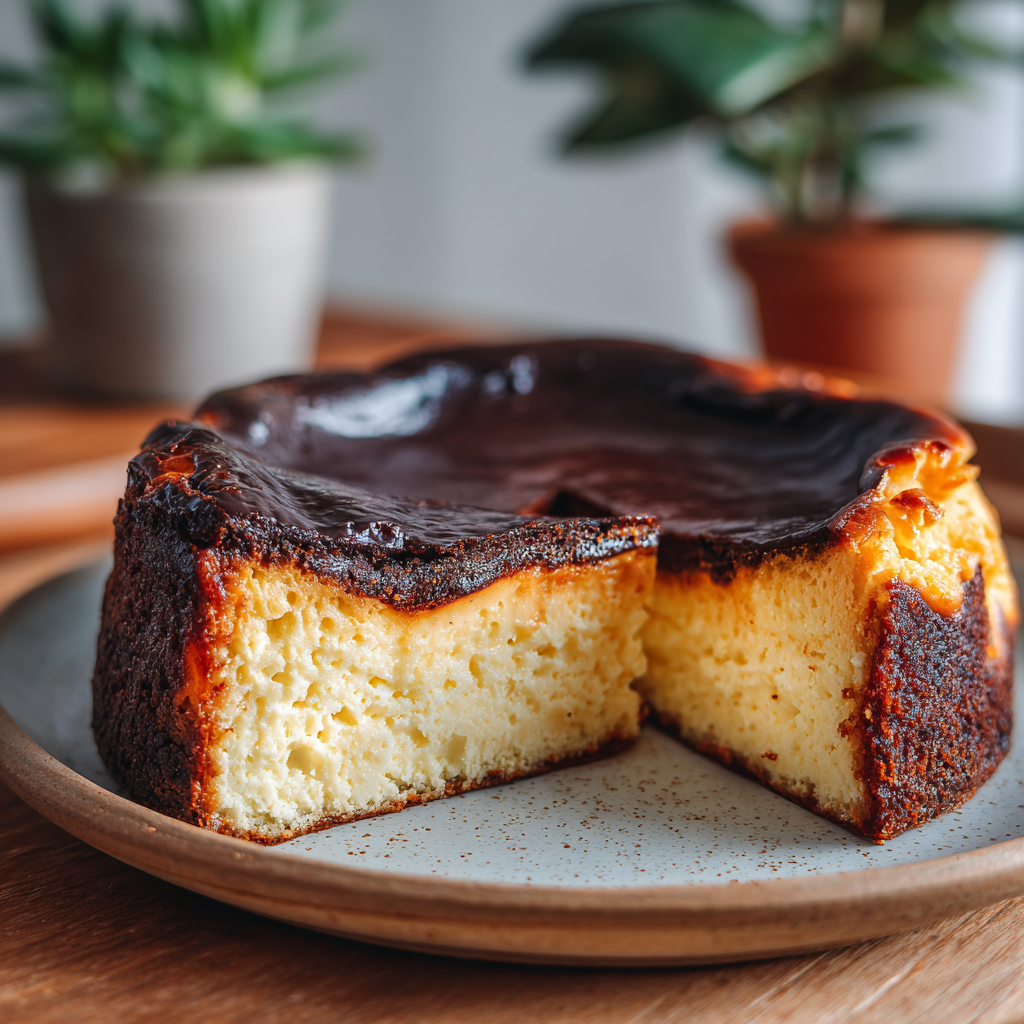
Keeping it simple often showcases the dessert best. A dusting of powdered sugar or a few fresh berries can brighten up the plate. If you love a touch of decadence, a drizzle of the optional chocolate ganache brings contrast that visually and flavorfully pops against the burnt top.
Side Dishes
Enjoy your Burnt Basque Cheesecake alongside a cup of freshly brewed espresso or a light, floral tea for a perfectly balanced dessert experience. For gatherings, fresh fruit salad or a tart compote can perfectly complement the richness of the cake without overpowering it.
Creative Ways to Present
Feel free to get playful! Serve individual portions in rustic ramekins or surprise guests with layered mini cheesecakes topped with berries and edible flowers. The dramatic burnt crust makes it a showstopper on its own, so letting it shine with minimalist presentation often wins hearts.
Make Ahead and Storage
Storing Leftovers
Store any leftover Burnt Basque Cheesecake in an airtight container or cover it tightly with plastic wrap in the refrigerator. It will keep beautifully for up to 4 days without losing its texture or flavor, making it perfect for late-night cravings or next-day treats.
Freezing
If you want to save your cheesecake for longer, wrapping it well in plastic wrap and aluminum foil before freezing will protect it from freezer burn. Frozen cheesecake can last up to 1 month. Thaw overnight in the refrigerator before serving for best results.
Reheating
For that just-baked feel, bring slices to room temperature or gently warm in the oven at low heat (around 300ºF) for 5-7 minutes. Avoid microwaving, which can affect the texture and cause uneven heating. This way, you’ll revive the velvety softness and deepen the caramel notes on top.
FAQs
What makes this cheesecake “burnt”?
The high baking temperature caramelizes the sugars on the top of the cheesecake, turning it dark amber with a slightly burnt flavor that adds complexity and a subtle bitterness to balance the sweet, creamy interior.
Can I use regular flour instead of cornstarch?
Yes, cake flour is a suitable substitute if you don’t have cornstarch. Both help provide structure and a delicate texture, keeping the cheesecake from becoming too dense or crumbly.
Is it necessary to use a springform pan?
While a springform pan is ideal for easy removal, a standard cake pan lined generously with parchment paper works well too. Just make sure the parchment extends above the pan’s rim to contain the batter during baking.
Why does the center jiggle after baking?
The slight jiggle is a sign the cheesecake is perfectly baked. It continues to set as it cools, resulting in a creamy, custard-like texture that defines the Burnt Basque Cheesecake Recipe.
Can I make this recipe dairy-free?
While traditional cream cheese and heavy cream are key to the recipe’s rich texture, you can experiment with dairy-free cream cheese and coconut cream. Keep in mind it may alter the flavor and texture slightly.
Final Thoughts
Embarking on the Burnt Basque Cheesecake Recipe adventure means welcoming a dessert that’s as deliciously rustic as it is elegant. Its sweet, smoky crust paired with a silky smooth center is a game-changer that will impress family and friends alike. Once you try this recipe, you’ll find it hard to go back to any ordinary cheesecake. So preheat that oven and dive into one of the most satisfying cheesecake experiences out there—you won’t regret it!
Your email address will not be published. Required fields are marked *