
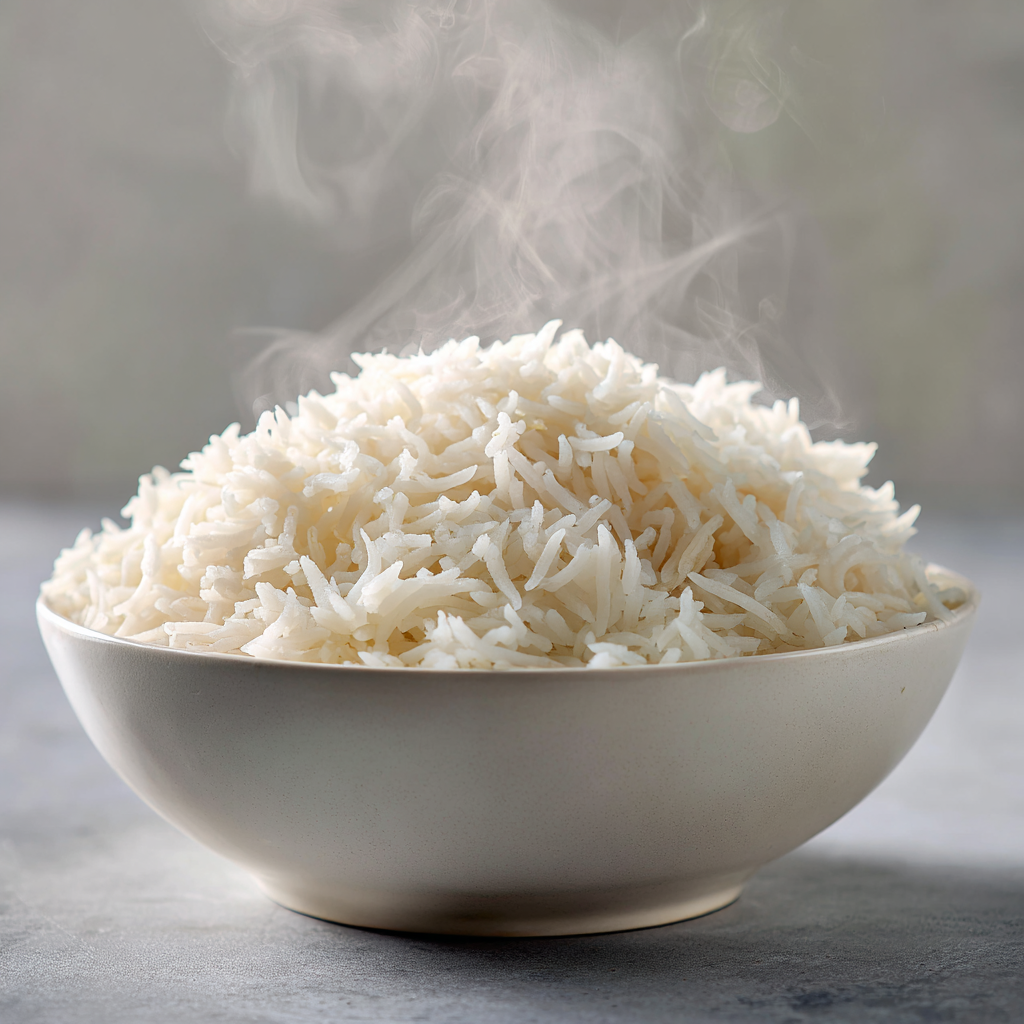
If you’ve ever experienced the delicate aroma and lofty texture of Basmati rice, you know it has a wonderful way of turning any meal into something special. This rice variety is celebrated for its long, slender grains and distinctive fragrance that elevate countless Indian vegetarian dishes. Whether served as a simple steamed side or as the heart of a vibrant biryani, Basmati rice brings both sophistication and warmth to the table, making it an absolute favorite in kitchens around the world.

Ingredients You’ll Need
Cooking perfect Basmati rice is surprisingly straightforward, thanks to a handful of simple ingredients that work harmoniously to achieve that fluffy, fragrant result. Each component is essential, whether it’s adding flavor or ensuring the grains stay separate and light.
- Basmati rice: Choose aged or quality-grade rice for the best aroma and fluffiness.
- Water: The magic ratio of water to rice determines the perfect texture.
- Salt: Just a pinch enhances the natural nutty flavor without overpowering.
- Ghee or oil: Optional but adding a small amount keeps grains from sticking and imparts richness.
- Whole spices (optional): Cardamom pods, cloves, or cinnamon can be added while cooking to infuse aromatic warmth.
How to Make Basmati rice
Step 1: Rinse and Soak
To get those perfect fluffy grains, start by rinsing your Basmati rice thoroughly under cold water to wash away excess starch. Soaking the rice for about 20 to 30 minutes afterward helps elongate the grains and speeds up the cooking process, ensuring a tender and light texture that feels almost luxurious on your plate.
Step 2: Measure and Boil
Next, carefully measure the rice and water using the ideal ratio (typically 1 cup rice to 1.5 cups water). Bring the water to a boil in a heavy-bottomed pot, then add the rinsed rice along with salt and a touch of ghee or oil for added flavor and texture. Stir once to mix and avoid breaking the delicate grains during cooking.
Step 3: Simmer and Steam
Once it reaches a rolling boil, reduce the heat to low, cover the pot with a tight-fitting lid, and let it simmer gently. This slow cooking method steams the rice perfectly, allowing each grain to remain separate, fluffy, and tender. Resist the urge to lift the lid frequently, as the trapped steam is essential for that beautiful texture.
Step 4: Rest and Fluff
After about 15-20 minutes, turn off the heat but keep the lid on. Letting it rest undisturbed allows the rice to finish steaming. Finally, gently fluff the rice with a fork to separate the grains and reveal that iconic light and airy Basmati rice that’s ready to be enjoyed.
How to Serve Basmati rice
Garnishes
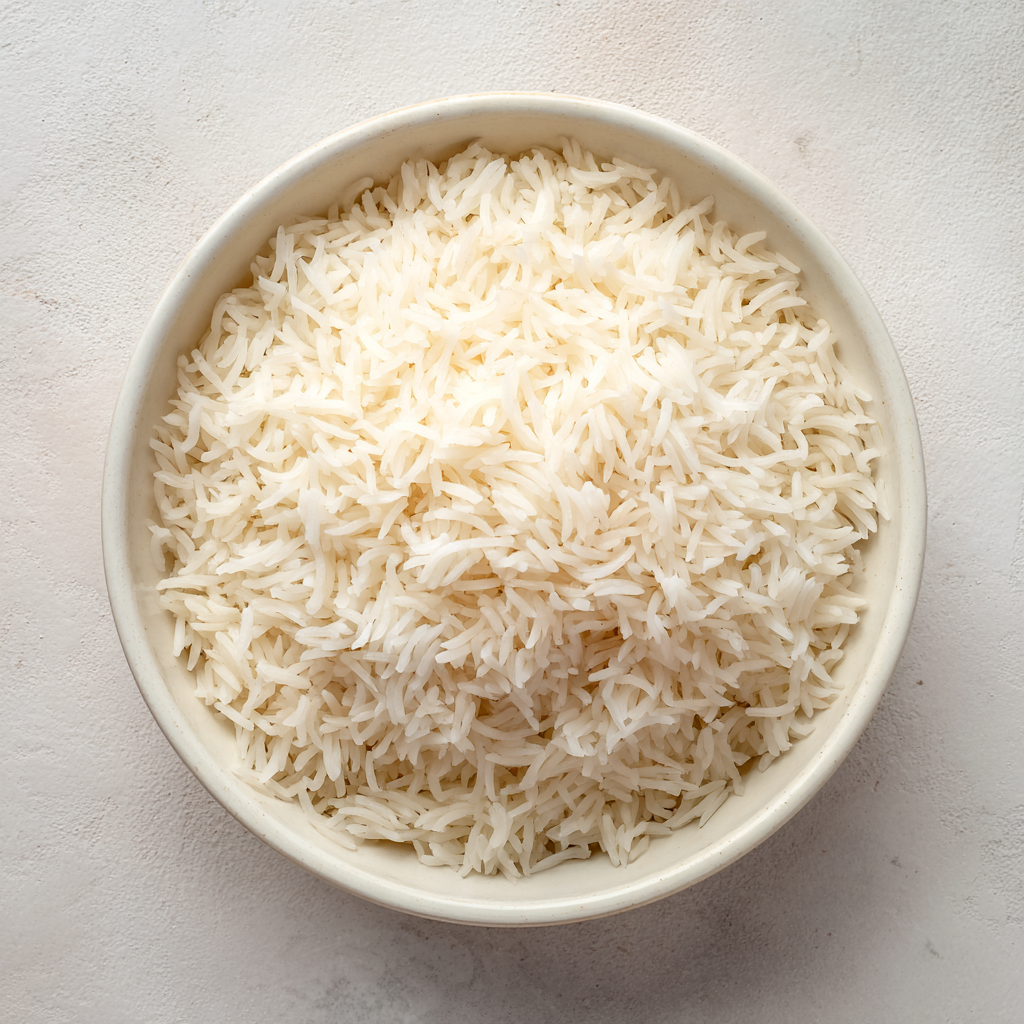
To complement the natural perfume of Basmati rice, try sprinkling freshly chopped herbs such as cilantro or mint on top. Toasted nuts like cashews or almonds add a delightful crunch and a nutty richness, while a few strands of saffron soaked in warm milk can elevate the dish with a gorgeous golden color and subtle floral notes.
Side Dishes
Basmati rice pairs beautifully with rich, saucy Indian vegetarian dishes like creamy dal, spicy vegetable curries, or a hearty chana masala. Its fluffy texture makes it an ideal base to soak up complex flavors and spices, creating a perfectly balanced, comforting meal that will keep you coming back for more.
Creative Ways to Present
Don’t hesitate to get creative with Basmati rice presentations: try molding it into compact towers using small bowls, or layering it with sautéed vegetables and herbs for a vibrant rice salad. You can also use the rice as a bed for grilled paneer or tofu, letting the flavors mingle in every bite. Presentation is part of the joy!
Make Ahead and Storage
Storing Leftovers
Once cooked, leftover Basmati rice should be cooled quickly and stored in an airtight container in the refrigerator for up to 3 to 4 days. Proper storage helps preserve its signature texture and fragrance so you can enjoy it fresh again without any mushiness.
Freezing
Freezing Basmati rice is a great way to keep your meals ready for busy days. Portion the cooled rice into freezer-safe containers or bags, flattening them for easy storage. Frozen rice lasts up to 2 months and thaws quickly when you need a quick side for your favorite dishes.
Reheating
Reheat your Basmati rice gently either in the microwave with a sprinkle of water or on the stovetop in a pan with a splash of water or broth. This reintroduction of moisture prevents the grains from drying out, keeping the rice light, fluffy, and delicious like it was freshly cooked.
FAQs
What makes Basmati rice different from other rice varieties?
Basmati rice stands out due to its long, slender grains and unique floral aroma. The grains also elongate even further upon cooking and remain separate and fluffy, unlike shorter or stickier rice varieties.
Can I cook Basmati rice without soaking it first?
Yes, you can cook it without soaking, but soaking improves the texture significantly by allowing the grains to absorb water and expand evenly, resulting in fluffier rice with less breakage.
What is the ideal water-to-rice ratio for cooking Basmati rice?
The typical ratio is 1 cup of Basmati rice to 1.5 cups of water. However, this can vary slightly depending on the rice’s age and brand, so adjusting based on results is encouraged.
How do I keep Basmati rice from sticking together?
Rinsing the rice thoroughly to remove surface starch, using a little oil or ghee during cooking, and fluffing gently after resting are key steps to prevent sticking and maintain the fluffy texture.
Can Basmati rice be used in non-Indian dishes?
Absolutely! Its delicate flavor and fluffy texture lend themselves well to pilafs, salads, and even rice bowls, making it versatile beyond traditional Indian cuisine.
Final Thoughts
There’s something truly special about cooking with Basmati rice that brings warmth and elegance to everyday meals. Its fragrant aroma and perfect fluffiness make it an indispensable ingredient for anyone who loves vibrant, comforting vegetarian dishes. Give it a try, and you’ll soon understand why it’s cherished in kitchens around the globe.
Your email address will not be published. Required fields are marked *